Visiting the Silk Village in Hoi An
Different to Kim Bong Carpentry Village or Thanh Ha Pottery Village the Silk Village in Hoi An is not an inhabited crafting village – at least not anymore. It’s a mix of museum and showroom, but it’s still worth a visit if you don’t know anything about the silk production and weaving process.
This post contains affiliate links to things like tours and hotels. These help me earn a small commission at no additional charge to you. Every affiliate link is marked with a *.
If I understood it correctly, and online sources are contradictory to each other, the place where the Silk Village Hoi An now stands used to be an actual crafting village that fell into disrepair some time in the past and has now been rebuild by a company, to be used as a showroom and museum. However there is also a resort hotel at the same address and I am not sure if they belong to the same company.
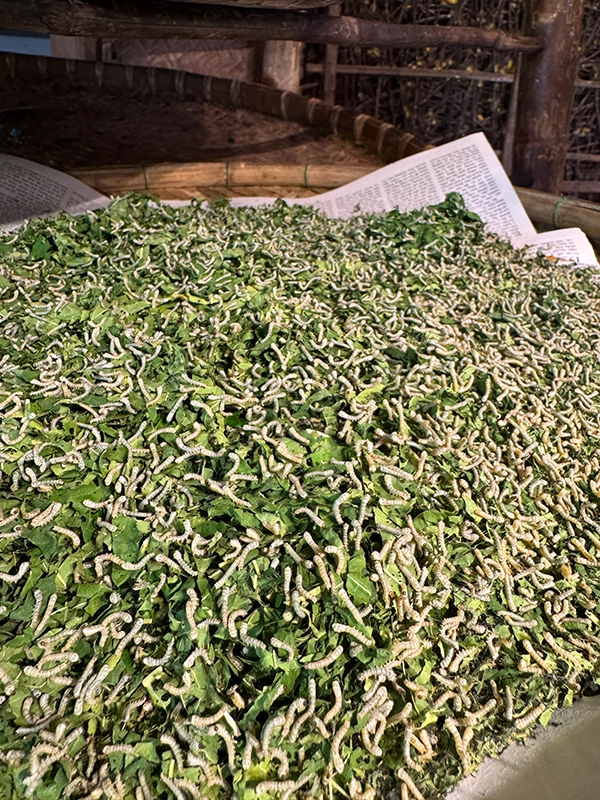
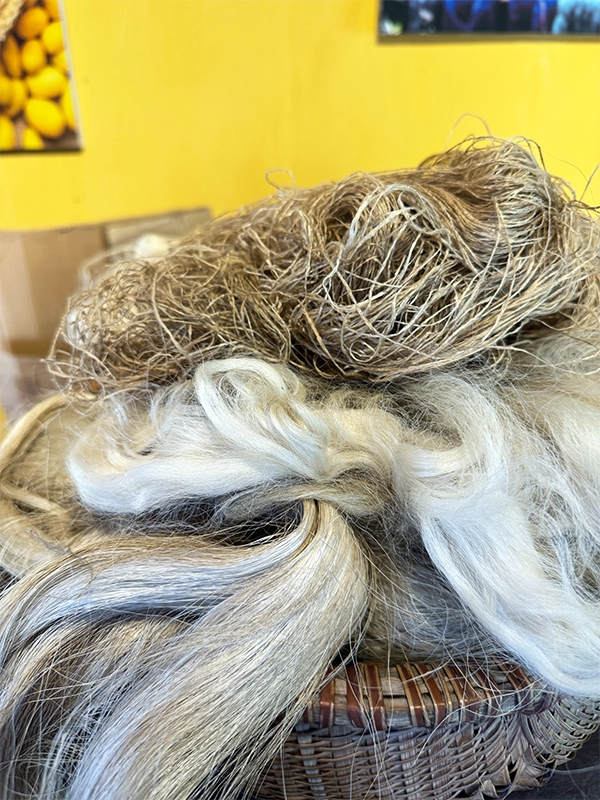
The normal ticket includes a 45 minute tour and one bottle of water. You learn the basics about silk worm farming, silk thread extraction from the cocoons and how there are three types of thread won from every single cocoon. The first layers of the cocoon are more dirty and have the roughest fibres. The middle part is cleaner and softer and only the inner part is light, thin and soft. I learned in Da Lat in a silk factory that the threads from the outer part are used to make things like pet beds and horse blankets to not waste anything.
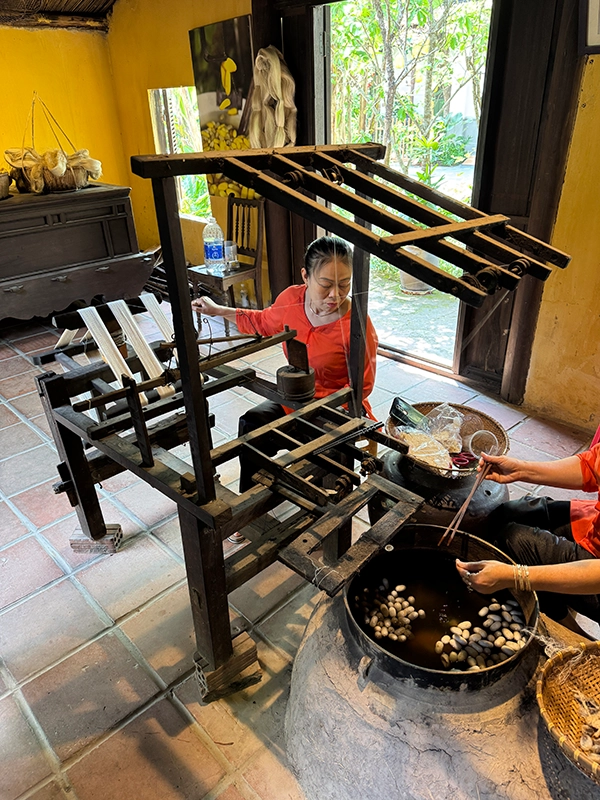
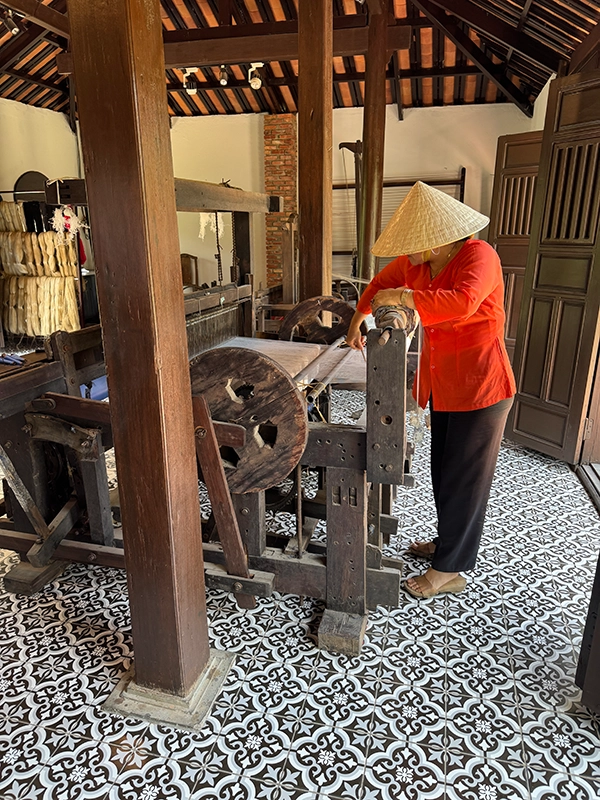
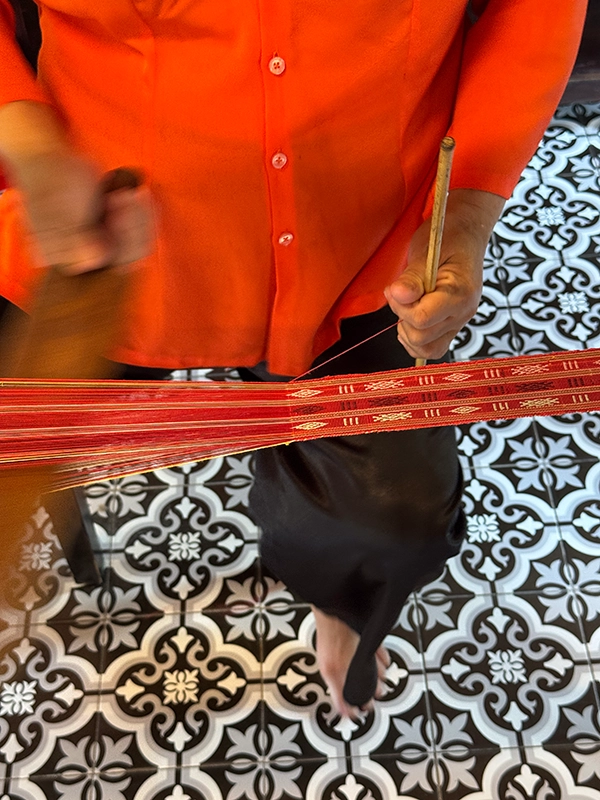
Next stop on the tour is the weaving house where antique wooden looms are showcased. Here they show two types of silk weaving: By loom to create wide panels of cloth and by hand to create brocade bands with traditional patterns. Sometimes these brocade bands have gold and silver threads interwoven with the silk.
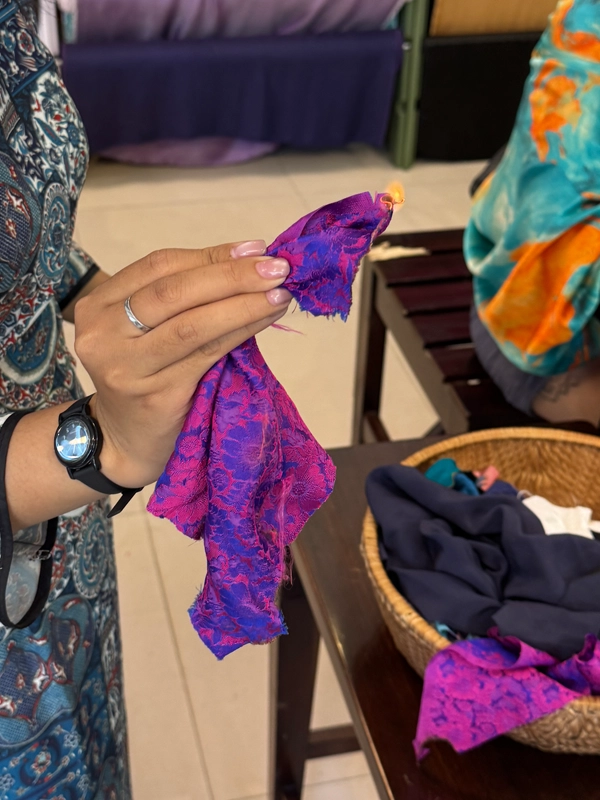
The tour ends in the showroom / sales room where you learn how to distinguish 100% silk from mixed silk-products and polyester – by burning it. Silk has white smoke, does not rapidly catch fire and smells like burning hair, because it is made from the proteins of the silk worm cocoon. Silk-cotton mixed cloth burns fast and smells like burning paper, because cotton is a plant and usually the percentage of cotton is higher than that of silk, for cost reasons. Silk-polyester mix or specifically woven polyester fabric burns rapidly with black smoke and smells toxic.
Every Half Coffee Roasters
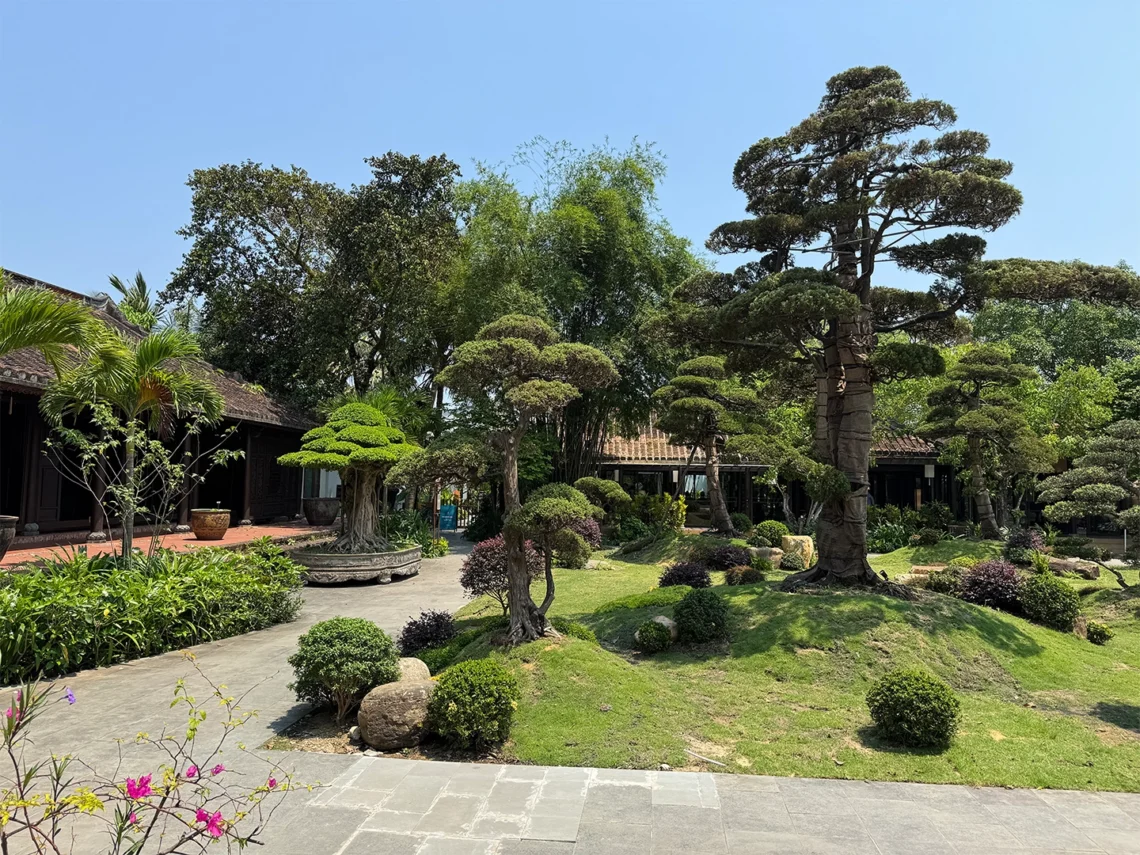
At 28 Nguyễn Tất Thành, Hội An Tây, Đà Nẵng, Vietnam, which is the official address of the Silk Village in Hoi An, despite the complex being huge in size, you’ll also the café Every Half Coffee Roasters.
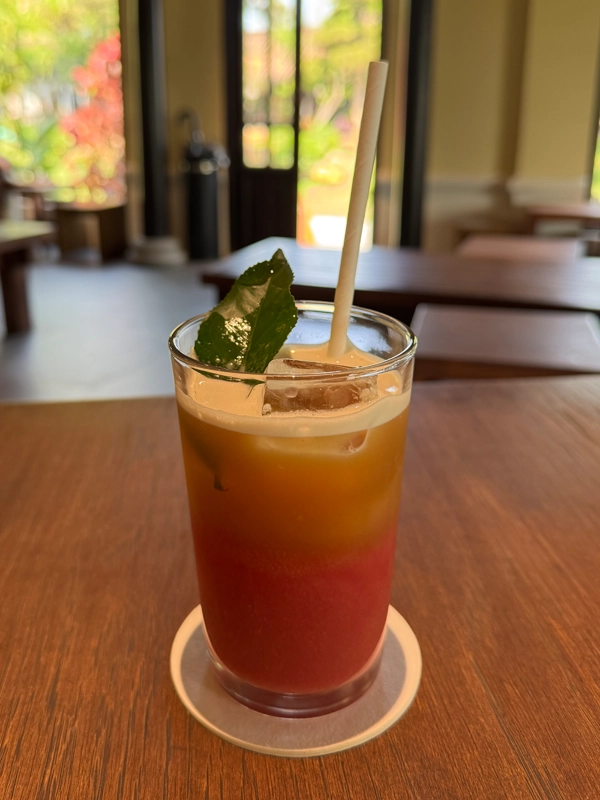
You can visit the grounds and the café without needing to purchase a ticket. Or after your tour, which is what I did. Pictured here is their “Pink Guava Nitro Tea“.


Related Posts

My Son Sunrise Tour from Hoi An
Tam Thanh Mural Village – The first of its kind in Vietnam