Pottery Workshop in Hoi An – Thanh Ha Pottery Village
Thanh Ha Pottery Village in Hoi An is famous for its pottery and has been for generations! Today the many families there are still a producer of bricks, tiles, household objects and decorations in central Vietnam. The village has a museum dedicated to the pottery of Vietnam, with a park full of miniature landmarks from all over the planet. You can shop here for pottery or take part in a pottery workshop in Hoi An. I wrote about my experiences visiting the village and doing a workshop here.
This post contains affiliate links to things like tours and hotels. These help me earn a small commission at no additional charge to you. Every affiliate link is marked with a *.
Overview of Pottery Workshop Hoi An – Thanh Ha Pottery Village
Thanh Ha Pottery Village
Thanh Ha Pottery Village is one of the most long-standing craft villages in the area around Hoi An – located at the banks of the Thu Bon River, a prime spot for gathering clay. References to Thanh Ha Pottery Village can be found as early as the 16th century. In the 17th and 18th century the village flourished and grew exponentially, thanks to its close proximity to Faifo port (the former name of Hoi An used by European traders while it was an important international trading port from the 15th until the 19th century). It was even exported across the oceans and reached Japan, China and the Netherlands.
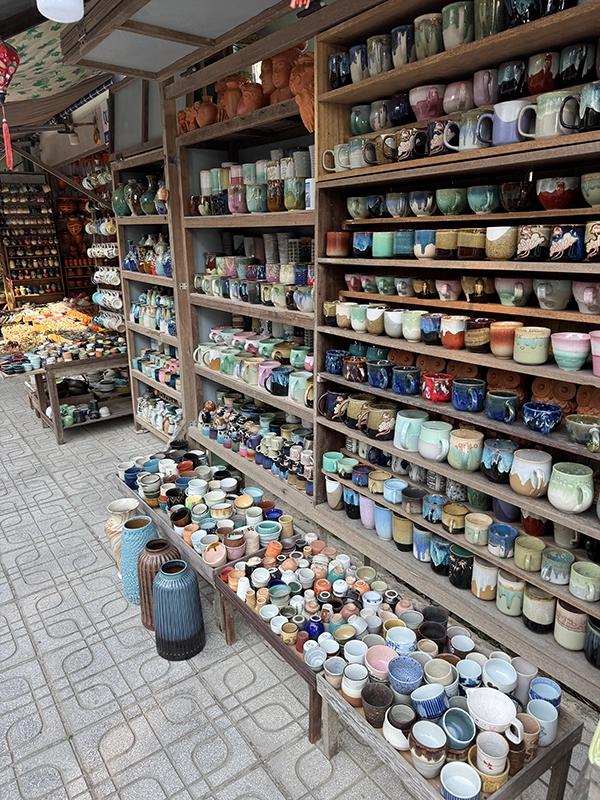
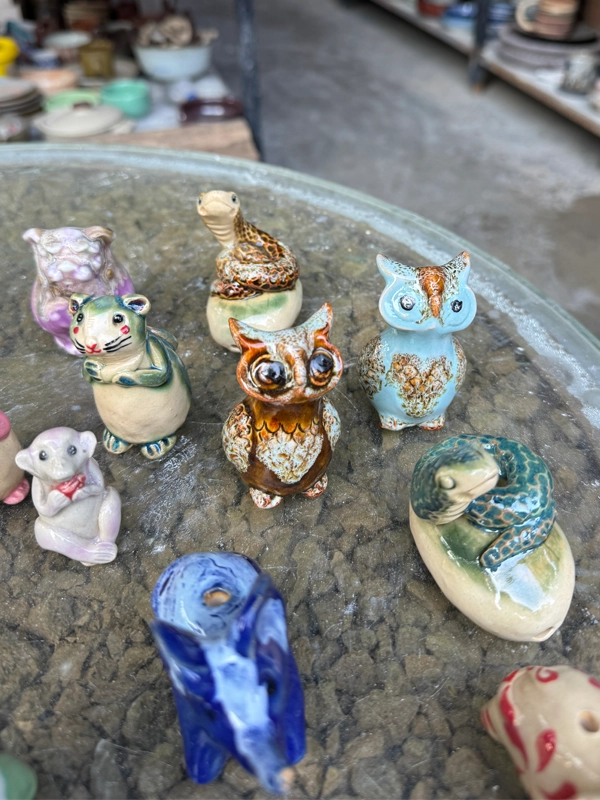
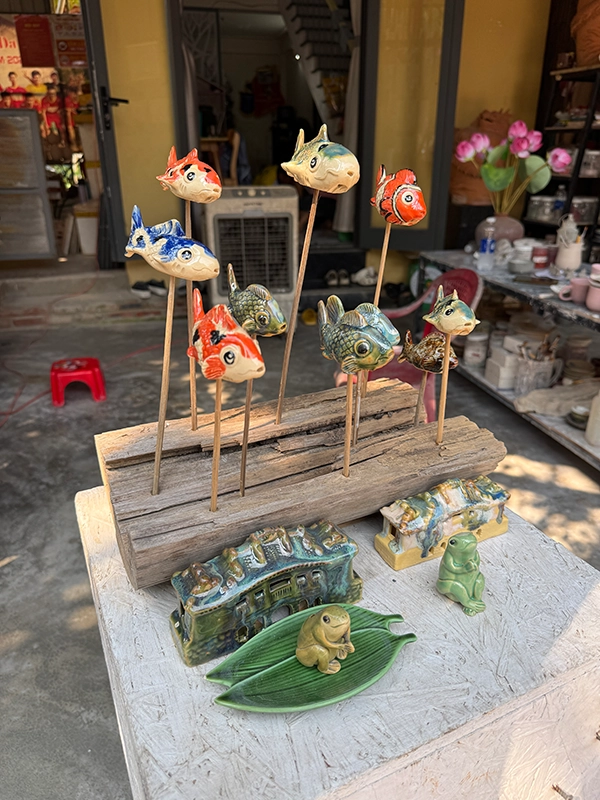
Today many people in the village still produce products from clay, from bricks and tiles for ancient houses in Hoi An to household objects, decorations and even instruments. The streets are lined with colourful shops and pottery lovers will find many things to bring home.
Thanh Ha Terracotta Park
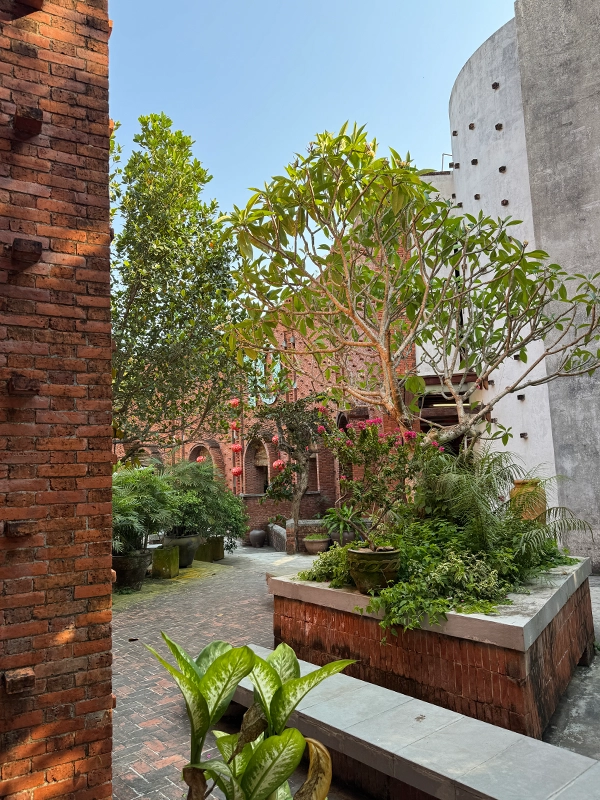
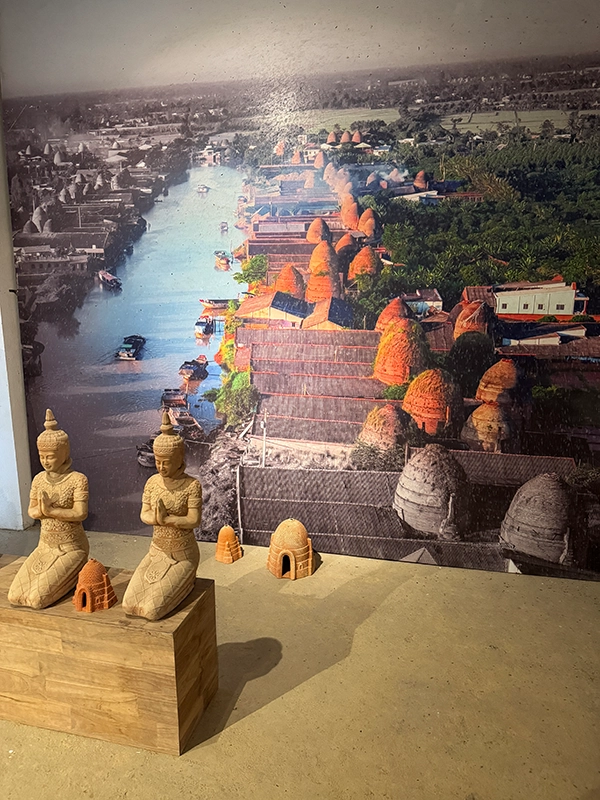
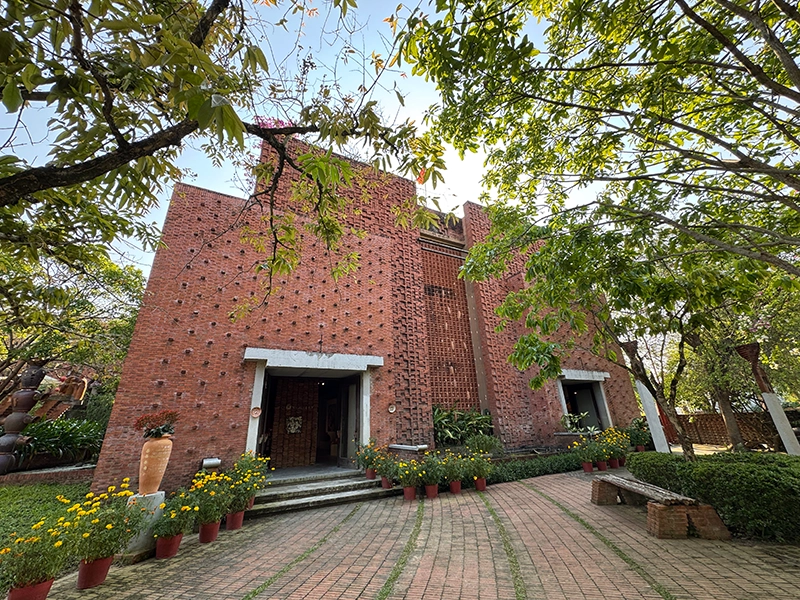
Inside Thanh Ha Village is Thanh Ha Terracotta Park, a museum about pottery with a park attached to it. The exhibition inside covers the history of pottery in Vietnam and the differences between pottery villages all over the country – differences in clay and colours, differences in cultural influences, etc.), complete with wall-to-wall pictures and examples of their work.
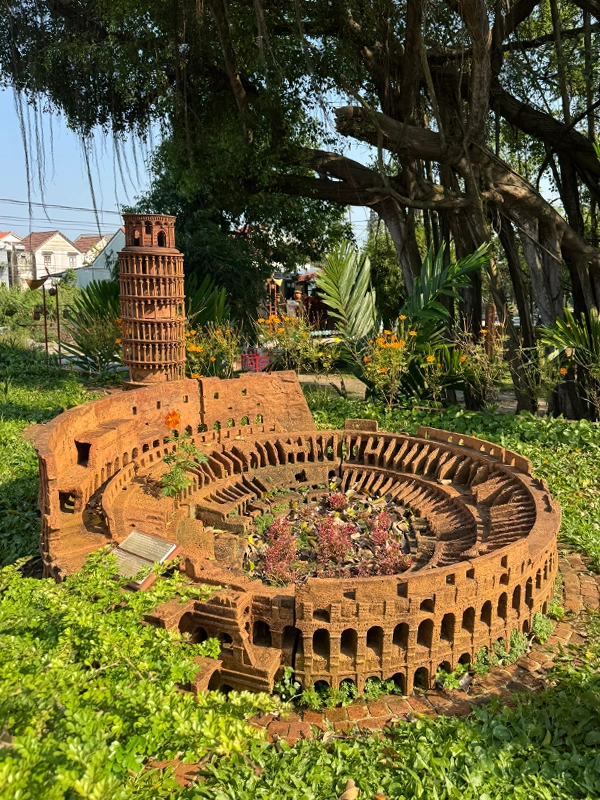
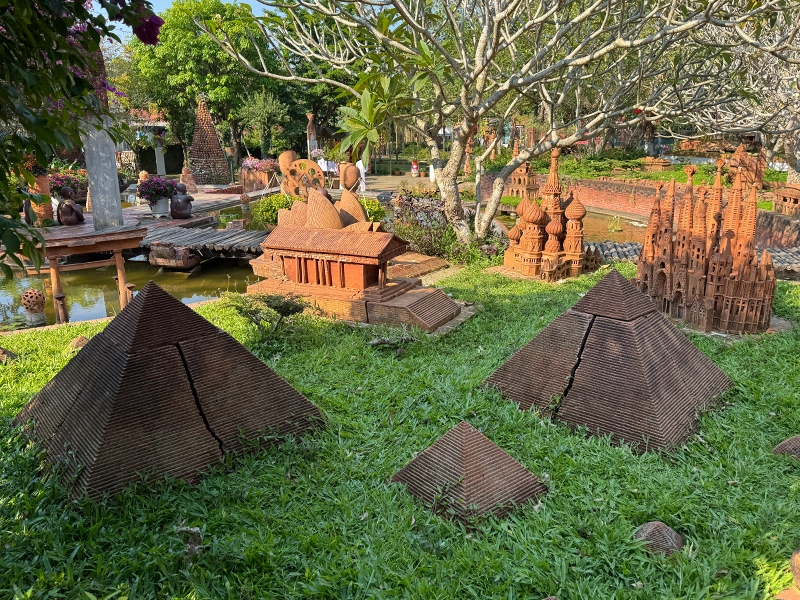
The park features miniature versions of important and famous buildings from all over the world – all made as pottery! While you bask in the sun you can explore the gardens and find miniature versions of the leaning tower of Pisa and the colosseum of Rome, the pyramids of Giza, Sydney opera house, Taj Mahal, St. Peter’s Basilica from the Vatican, the capitol building and Statue of Liberty from the USA, Angkor Wat temple from Cambodia, the Temple of Literature from Hanoi and many, many more!
Inside the village many places offer pottery workshops, though the scope and quality varies greatly. It is important to consider what you want form a workshop before you book it. Is it just the experience of shaping clay? Do you want to make something that you can take home? Do you want to make something you actually want to use, like a mug or a bowl that needs to be glazed to be food safe? Is it important that the workshop is accessible for children?
I have linked several different ones here (on GetYourGuide*) you can peruse and wrote about the potter workshop I picked and why, as well as my experience during the workshop in the second half of this post.
Pottery Workshop Hoi An
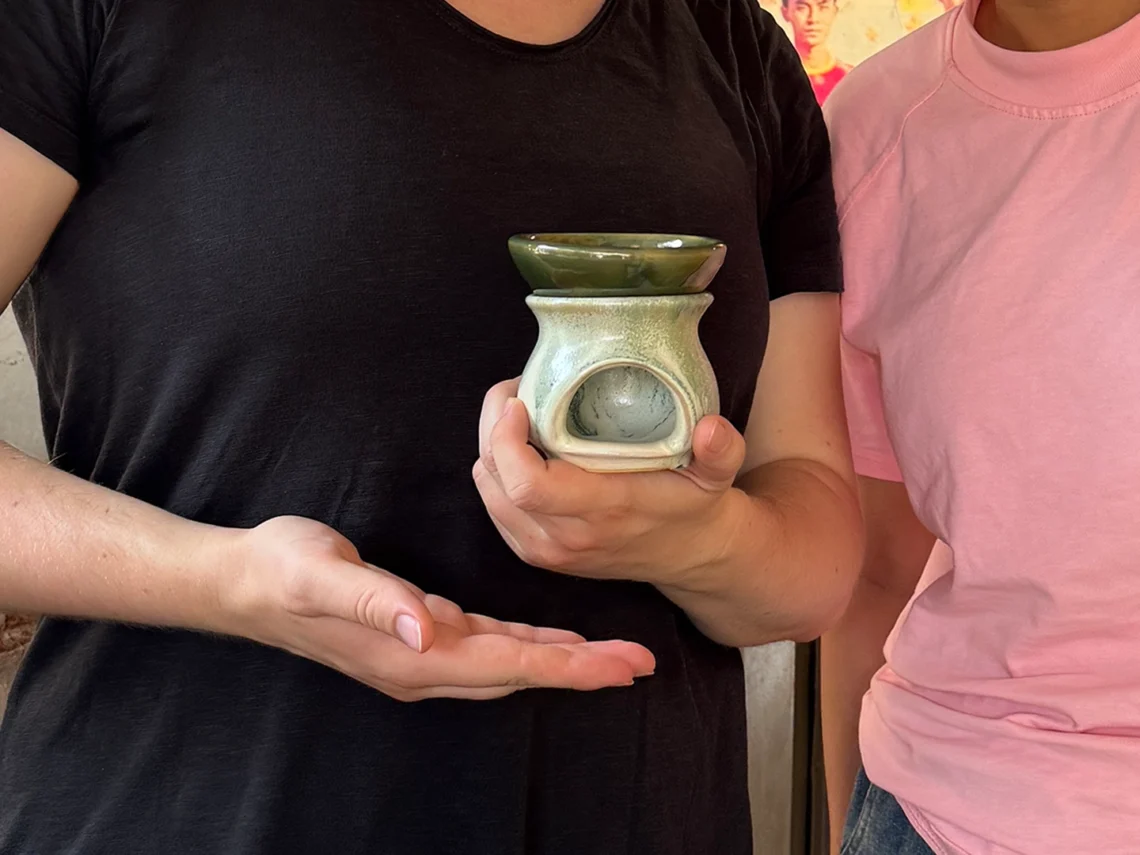
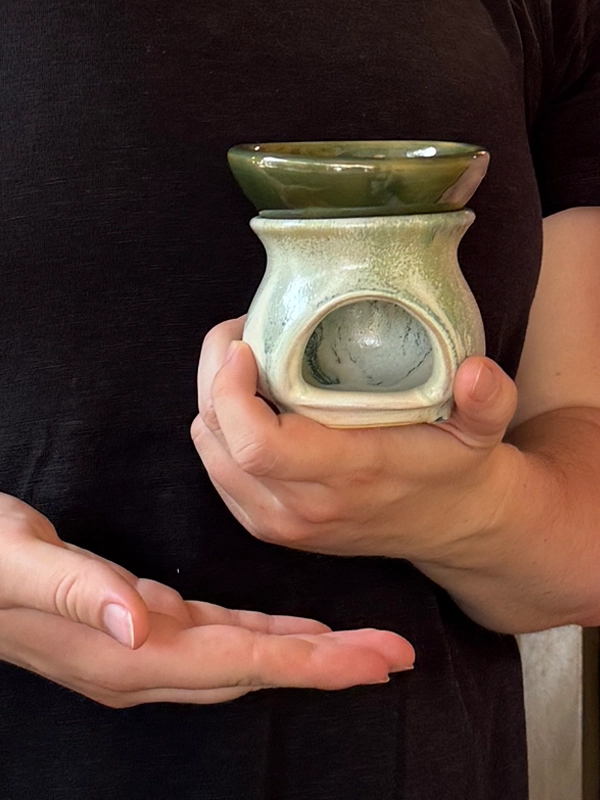
I knew I wanted to make an aroma diffuser where a tea candle sits underneath a bowl that carries water and essential oil. Which meant that it had to be fired and glazed to withstand the heat safely. I contacted several workshops… who told me this was not possible, especially since I had never done any kind of pottery before. Then the people from the incense workshop put me in contact with Lê Văn Nhật pottery. They told me we could do it, as long as I had 10 days or more left of my stay in Hoi An, which I did.
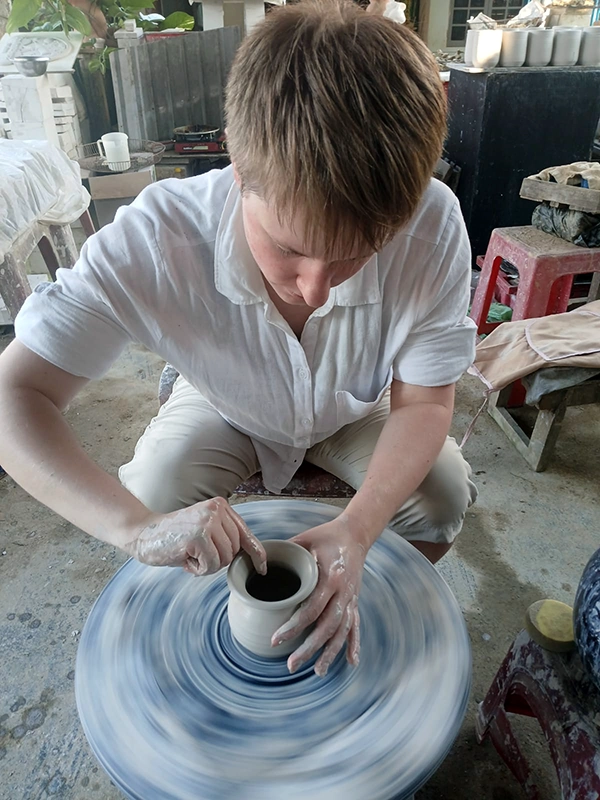
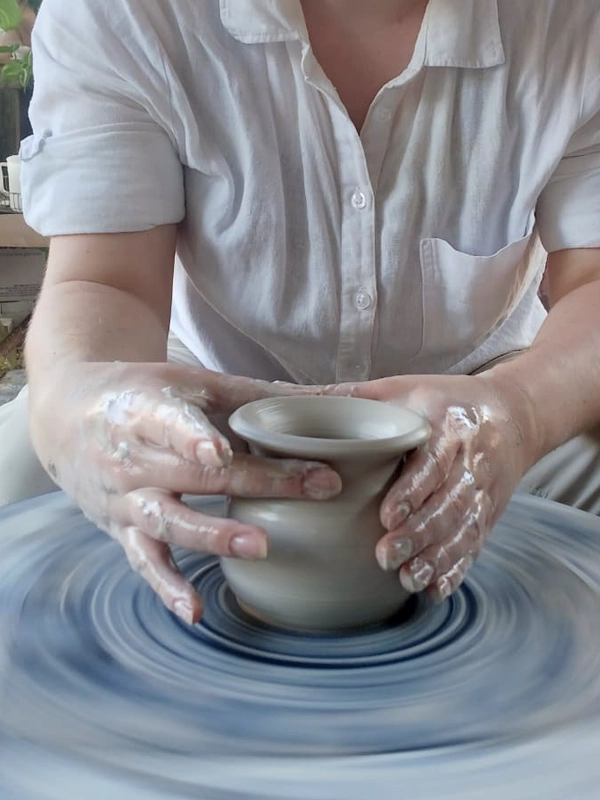
The first steps of the pottery workshop were shaping the two parts of my aroma diffuser. The bottom part alone took me 20+ tries. But I did it in the end! They helped me smooth out the opening after cutting it, but the round parts are all me. Then came the bowl. Even though it is much simpler in shape it still took me over ten tries of finishing it, but it being not quite right, and starting over.
Then the finished pieces had to dry for several days, before the were fired for the first time in the kiln. A kiln is a special oven that gets hot enough to dry and harden pottery. Some families in Thanh Ha Pottery Village have their own, others share community kilns.
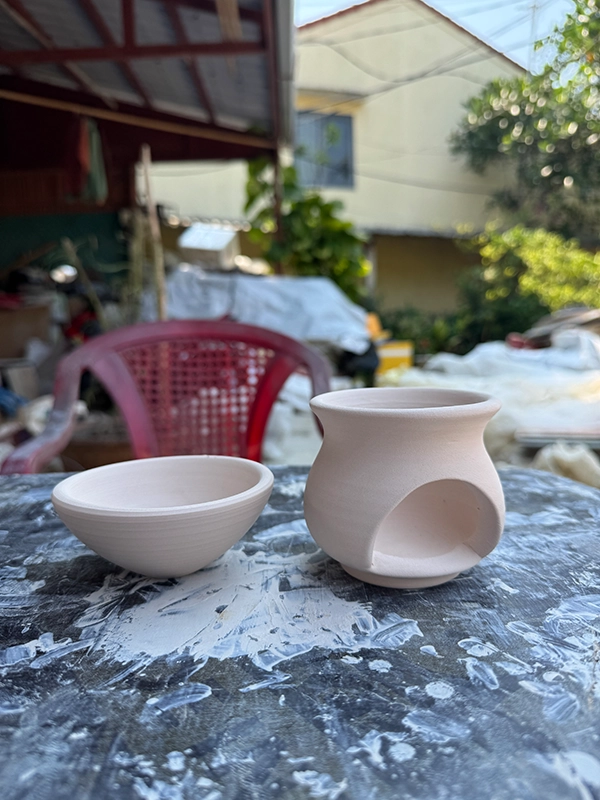
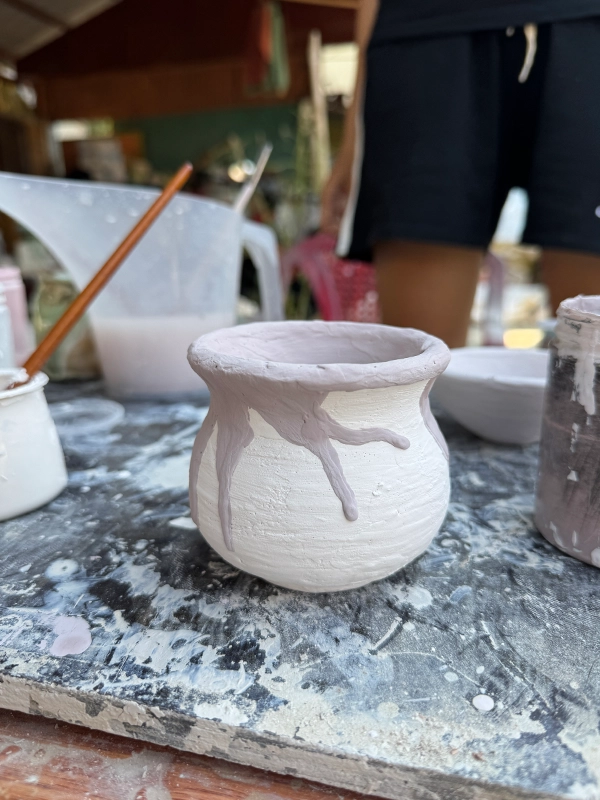
A few days later I got a text that my things were ready to be glazed. Since glaze looks very different in its raw form from the finished product I looked through their store until I found colours and finishes I liked. They took out the different colours for me and I covered the entire bottom piece in white glaze, before attempting to drip down a light green colour from the rim.
In all honesty I thought it looked atrocious and that I had ruined the work from before. They encouraged me to take a picture of the before, to have to compare to the finished product, since it would look vastly different after the firing. Then I painted the bowl part in dark green shiny glaze and left them to dry once more.
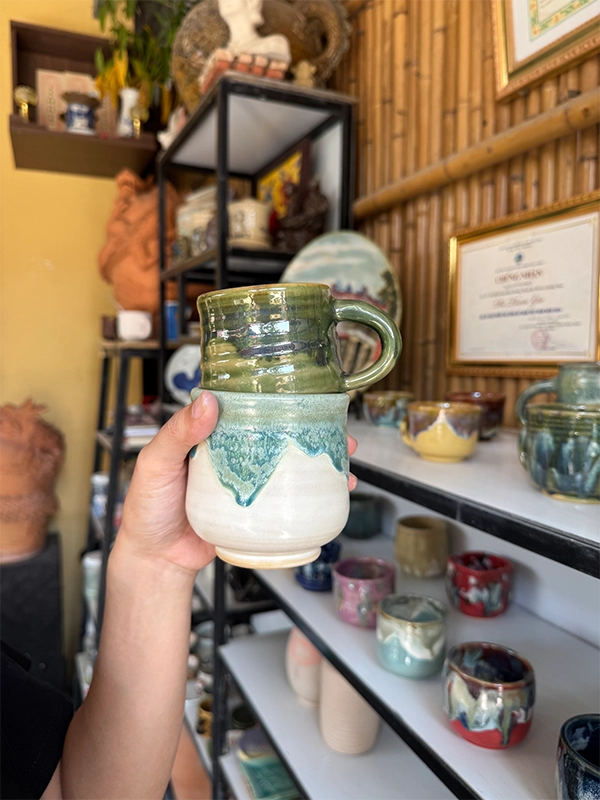
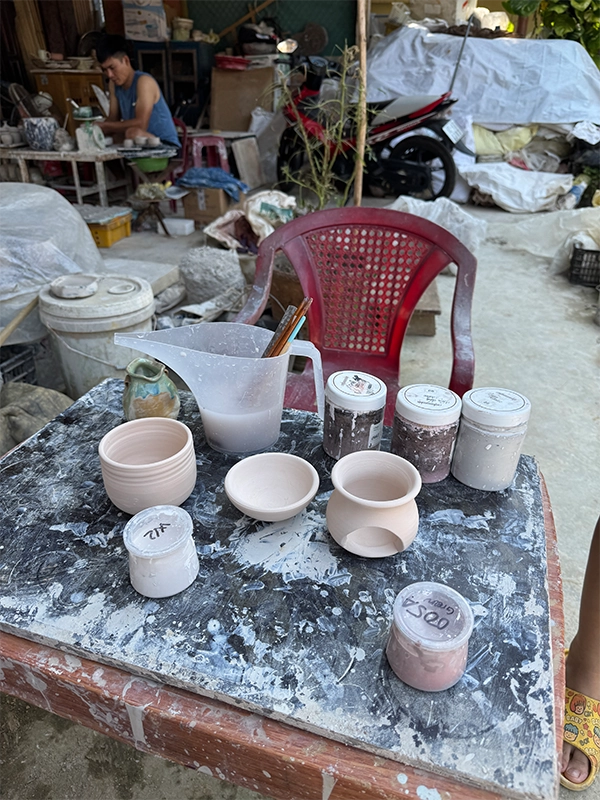
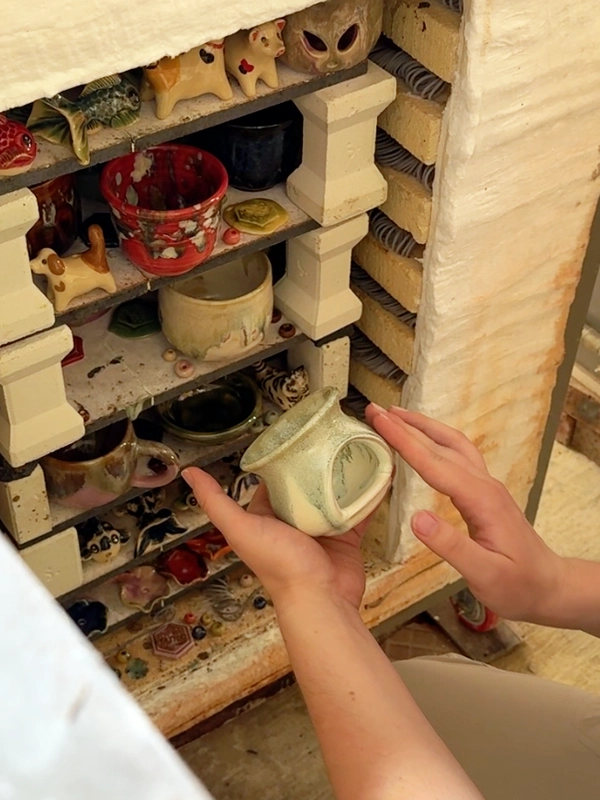
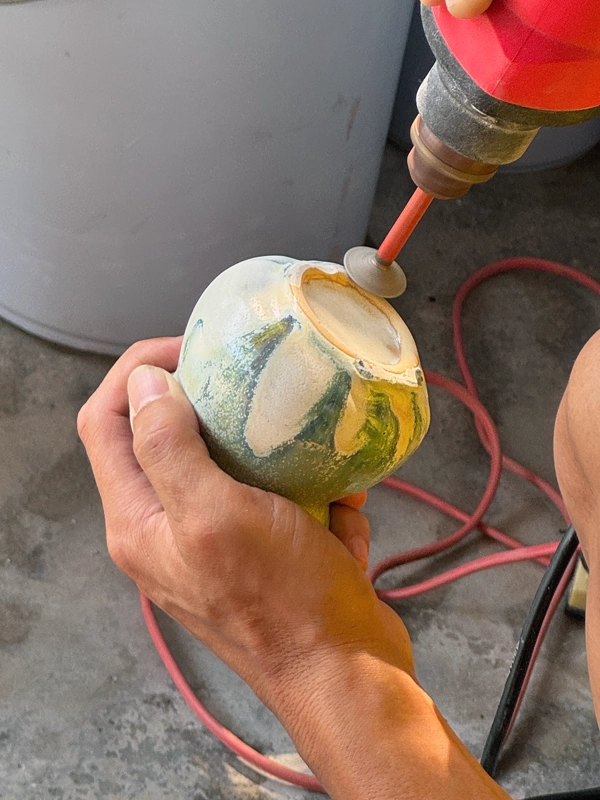
Another few days later they messaged me to notify me that the firing was finished and I could come over in the afternoon to pick my pottery out of the kiln. It came out very warm, but smooth to the touch, very different to the raw glaze. They helped me to grind-off the glaze overflow from the bottom with an electric rotary grinder and then I had my finished pottery!
Now at home it sits in my living room and I am using rosemary essential oil in it which I had bought in Hue.


Related Posts
Bar hopping in Hanoi – Vietnamese cocktail innovations
CSO Gallery in Hoian