20 free things to do in Singapore
Let’s be real: Travelling to Singapore is expensive. Accommodation alone can take up most of the budget. Museums and tours also cost a pretty penny and often leave no option for tourists other than buying the all access pass. So here are 20 free things to do in Singapore to spare your wallet.
Overview of free things to do in Singapore
- Building Highlights tour of the former Supreme Court and City Hall
- Central Fire Station & Civil Defence Heritage Gallery
- Step into living history at Raffles hotel
- Explore Chinatown
- Visit Joo Chiat / Katong District
- Discover Muscat Street & Arab Street in Kampong Glam
- Futuristic Architecture
- Merlion Park and other viewpoints
- Marina Bay Sands and Gardens by the Bay
- 20 free things to do in Singapore – List
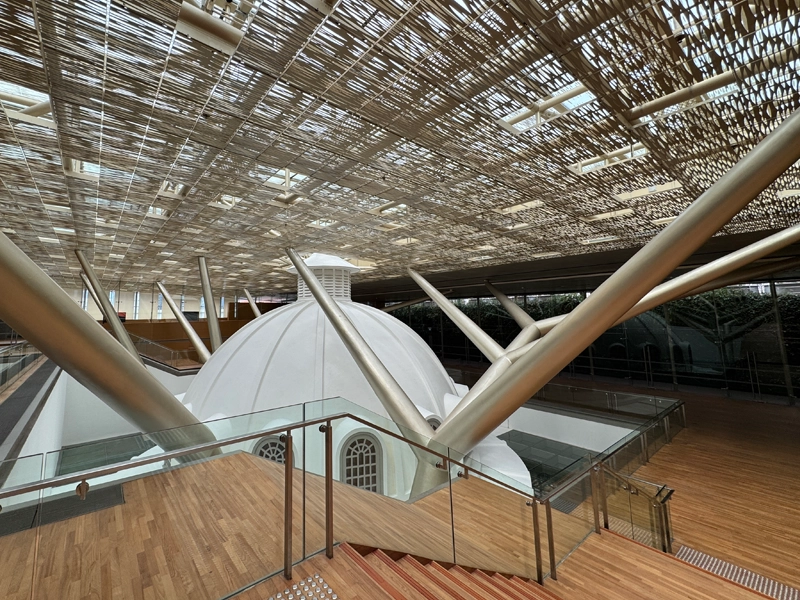
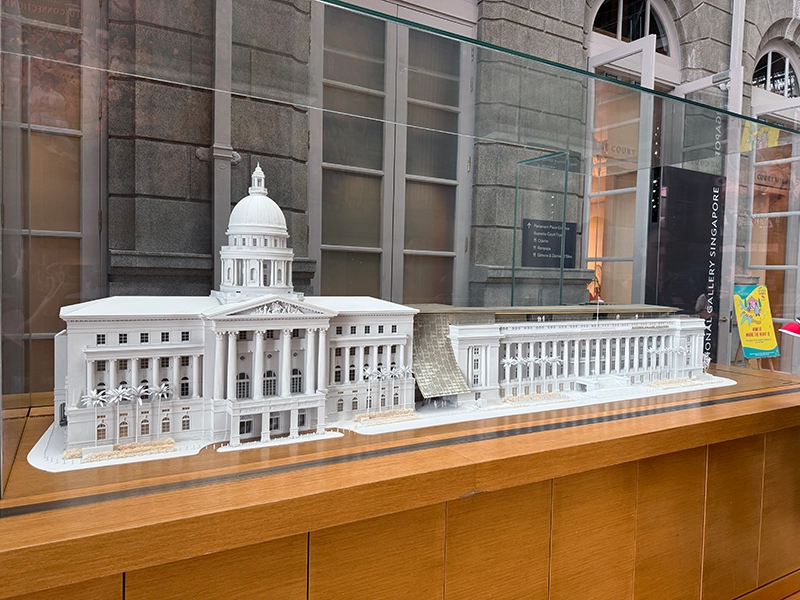
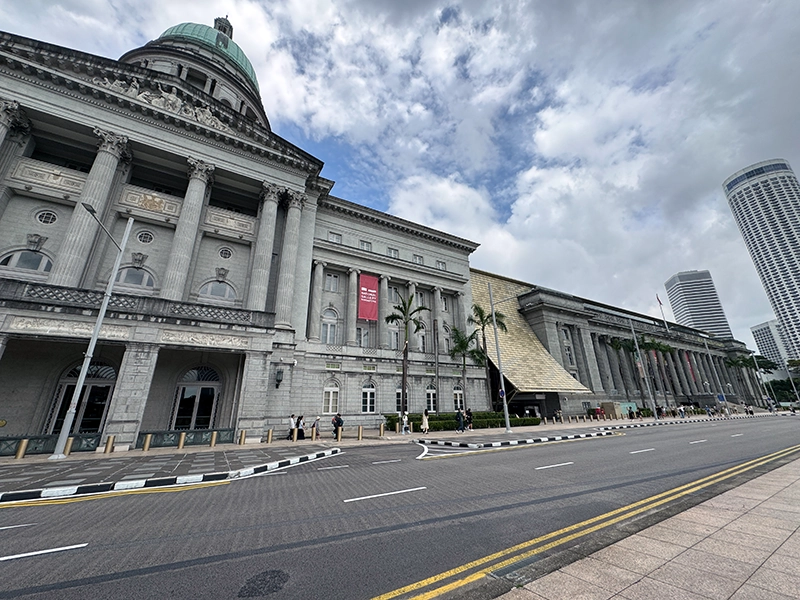
Building Highlights tour of the former Supreme Court and former City Hall
There are many tours offered for free at the former supreme court and city hall of Singapore, but under normal circumstances all of them require a general admission ticket to even get inside.
However, with the “Building Highlights” Tour you don’t need to buy an admission ticket, nor do you have to pay for the tour. You just have to register at least 30 minutes before the tour starts. Then you show up about 10 minutes before the tour starts and you get a sticker that allows you to enter both buildings during the tour.
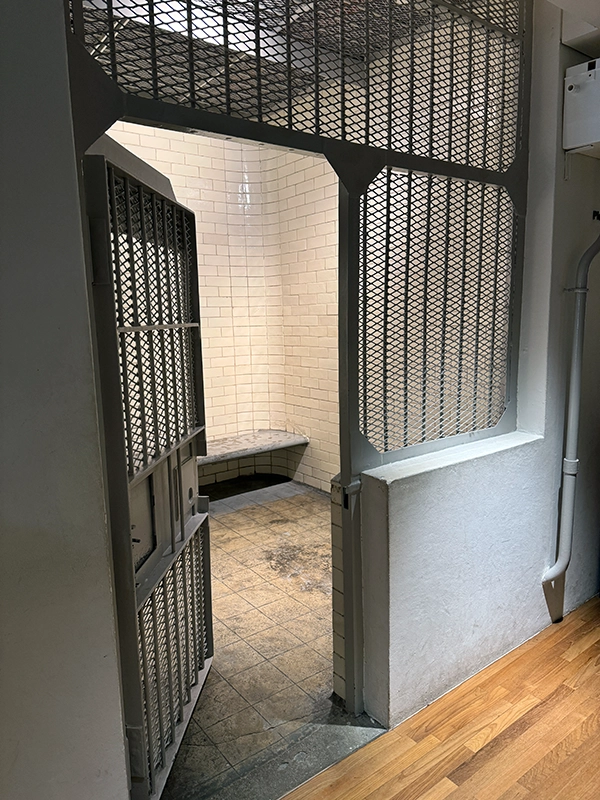
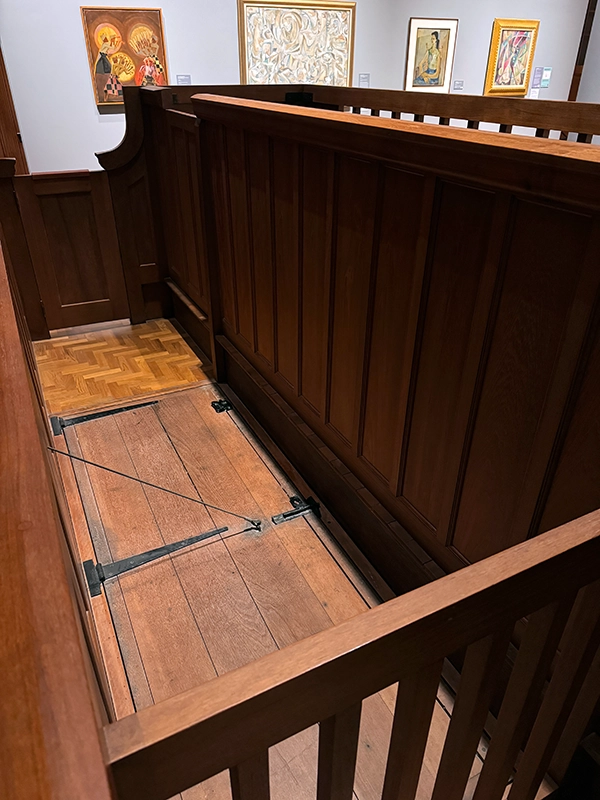
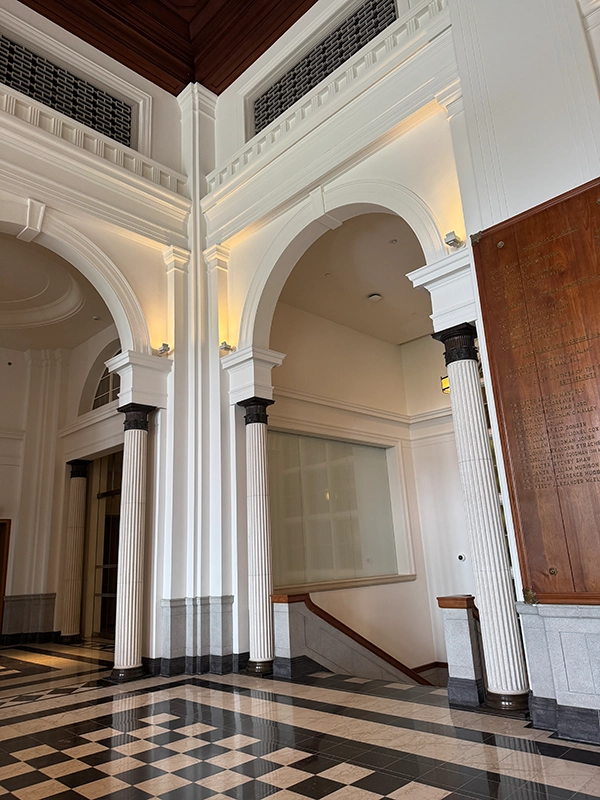
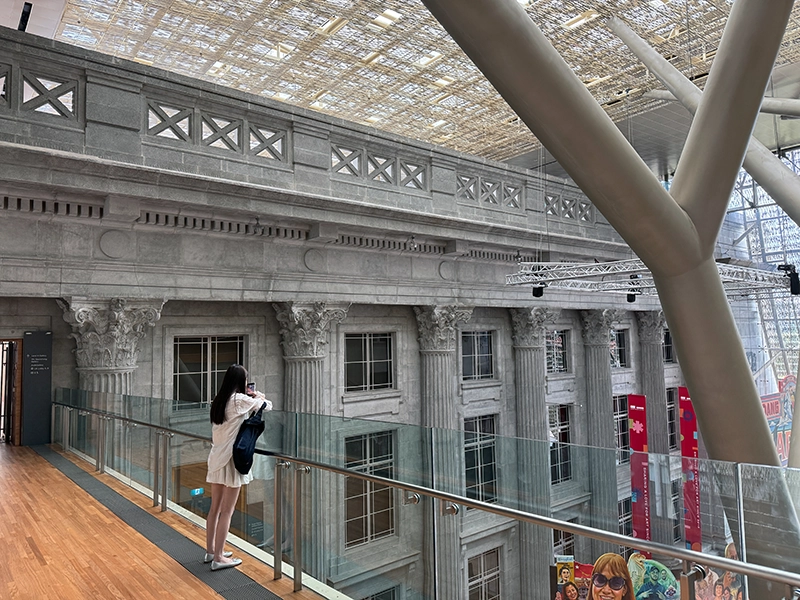
The tour starts with an overview of the two buildings and how they have been connected to become a new landmark. Then you stop by the old Holding Cells, the Chief Justice’s Chamber & Office, the City Hall Chamber with it’s impressive marble columns, the Supreme Court Historical Lobby with the foundation stone of the building in the centre and several more places.
From Thursday to Sunday the English tour starts at 10:30 AM at the Visitor Services Counter. Up to date information on time/day/content changes, as well as all the info you need on where to register is on the Website of the National Gallery of Singapore here.
Central Fire Station Singapore & Civil Defence Heritage Gallery
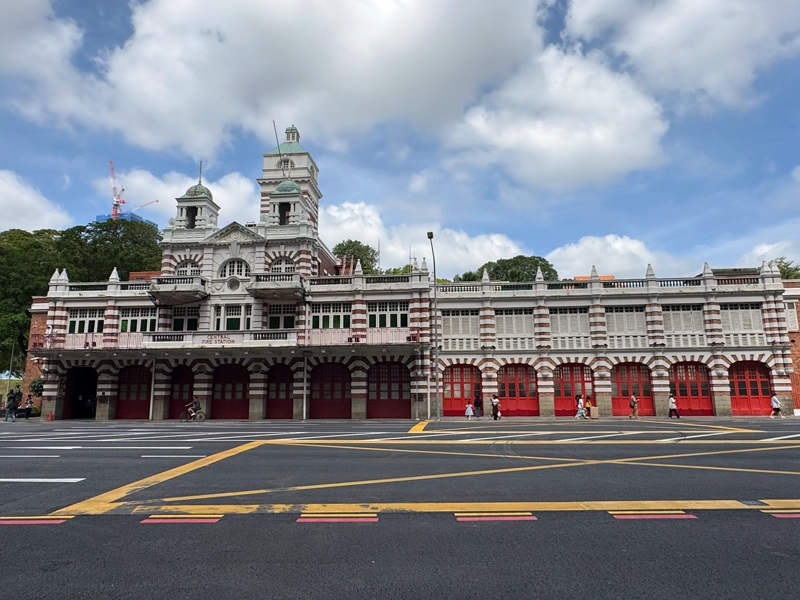
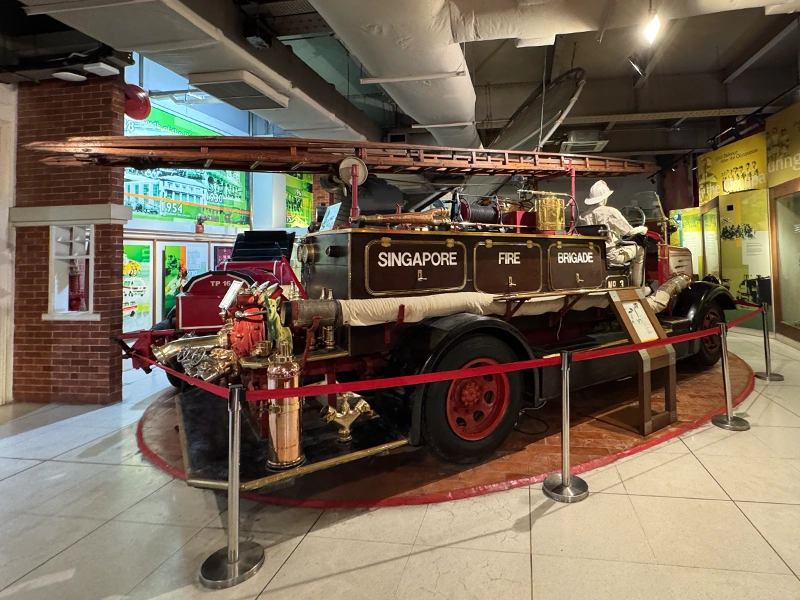
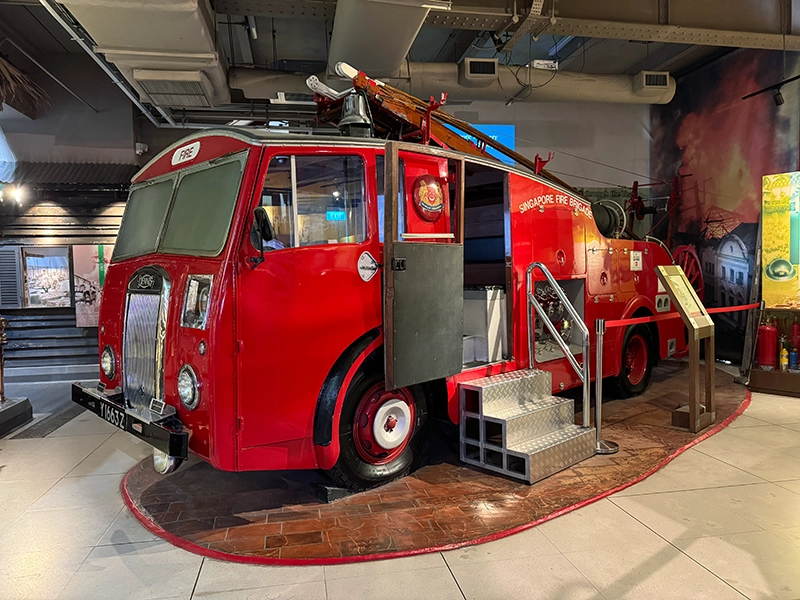
Inside the iconic striped building you’ll find not only Singapore’s oldest fire station, but also the Civil Defence Heritage Gallery. A small museum about the story of firefighting and everything related to it, which you can visit for free. It covers the first establishment of a designated firefighting squad, the evolution of fire-trucks (and mopeds), as well as hazmat fire fighting, water-based firefighting (as in fires on ships, offshore platforms, etc.) and the newest hazard: How to put out the fire of an electrical car.
Some stations are interactive with holograms, at others you can shoot a water gun or learn more about the most devastating house fire in the recorded history of Singapore and how it changed the country.
After I had finished viewing the exhibition the older fireman manning the gallery asked me where I am from. After my “I’m from Germany!” reply they excitedly showed me a glass case with many German fire station badges they have been gifted or exchanged against a Singapore one through the years.
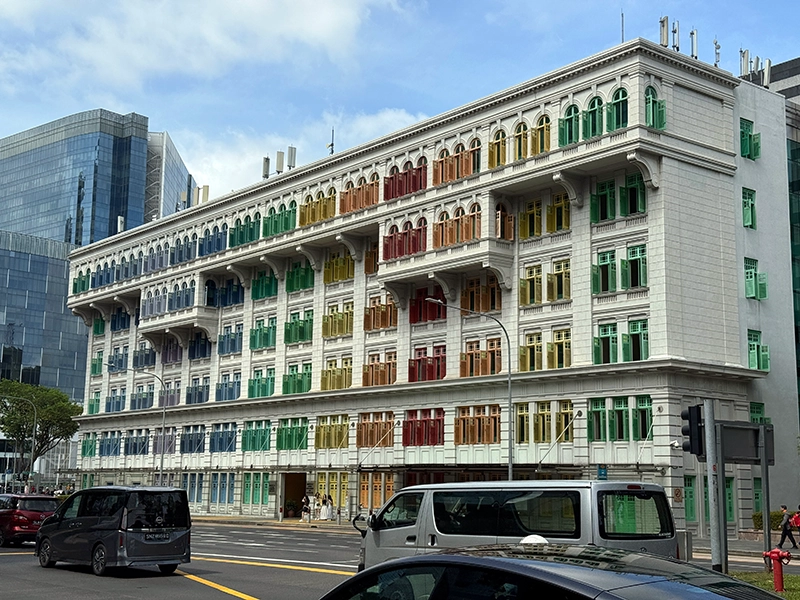
Just down the road is the amazingly colourful Old Hill Street Police Station. You can’t visit inside (to my knowledge), but it’s a nice photo spot when you’re already in the area.
Step into living history at Raffles Hotel
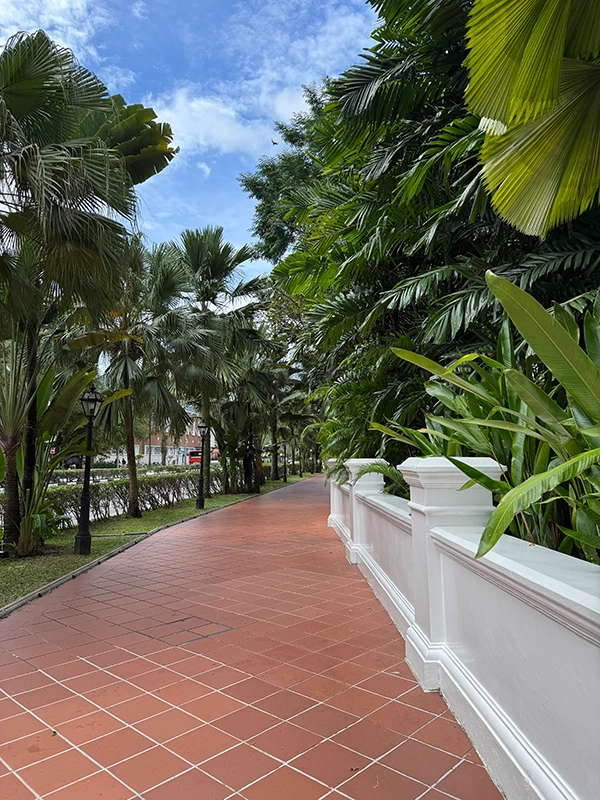
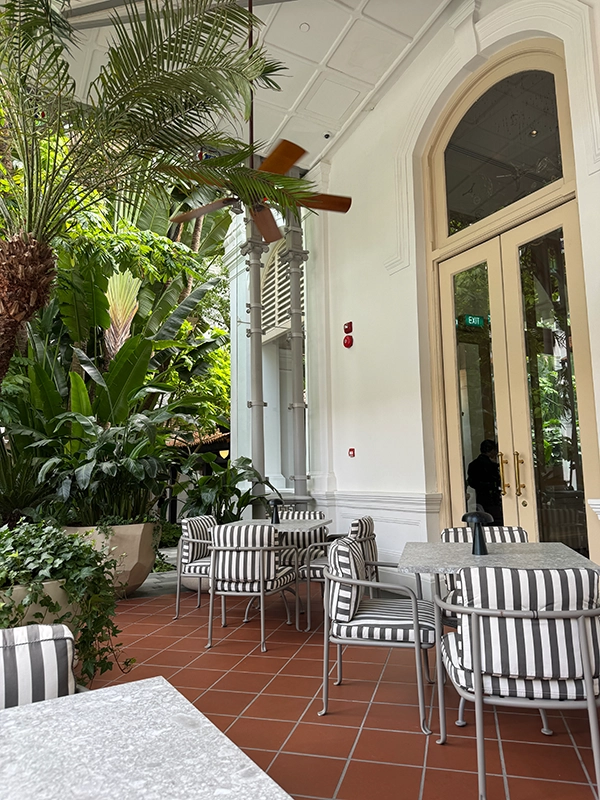
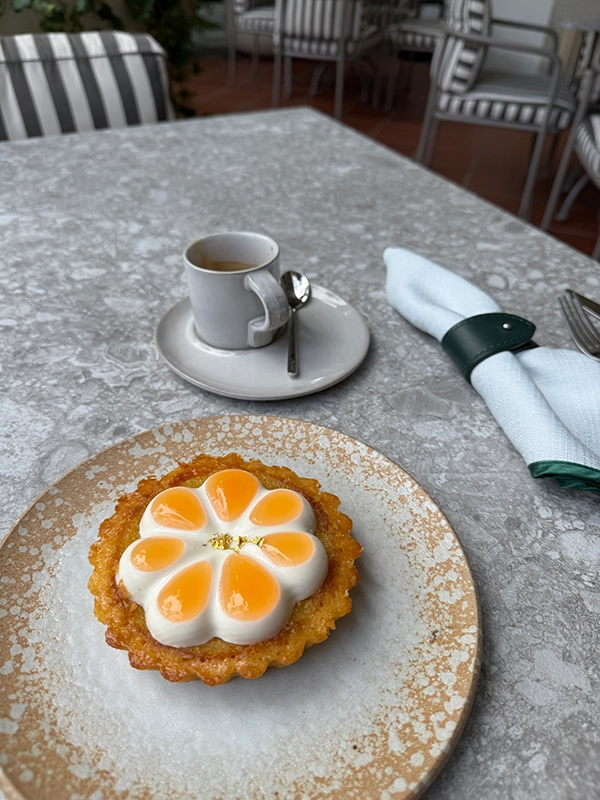
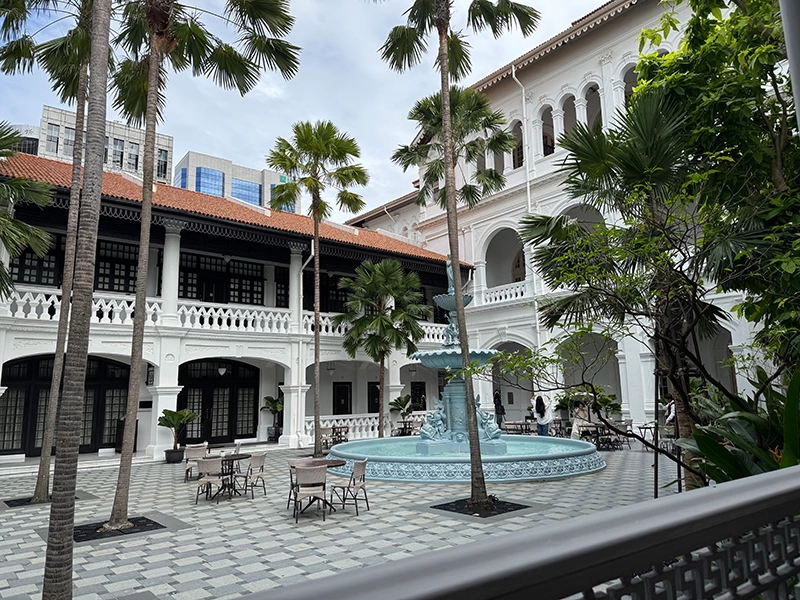
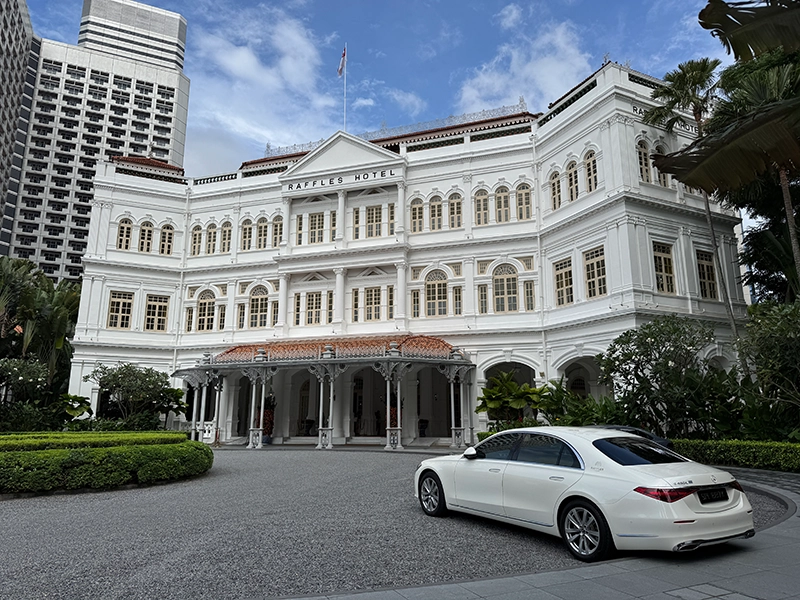
The raffles is a landmark I more stumbled upon than anything else. Even the street leading up to it is fancy! This hotel gives strong vibes of “the glory of days long past” (if you could afford it – similar to today). You can walk through some of the premises and even enter the courtyard with the fountain for free.
The hotel is named after Sir Stamford Raffles, a British diplomat and often called the “founder of modern Singapore”. It first opened its doors on 1st December 1887, with the main building finished in 1899. In 1987 – 100 years after its opening – the hotel was even declared a national monument. However, this was officially celebrated in 1992 – after extensive restoration in the meantime. In 2011 the hotel was bought by a Qatari Hotel group, renovated again in 2017 and reopened in 2019 – which is the hotel you see today. Just so you know: They have a resident historian working at the hotel, who has been working there for over 50 years already. That’s how much history this place has.
Apparently the cocktail “Singapore Sling” was also invented in this very hotel in 1915! You can visit “The Long Bar” and drink it without staying at the hotel. Since the cocktail has pineapple, which I am allergic to, I refrained from doing so.
Tip: They have clean public toilets if you need to go.
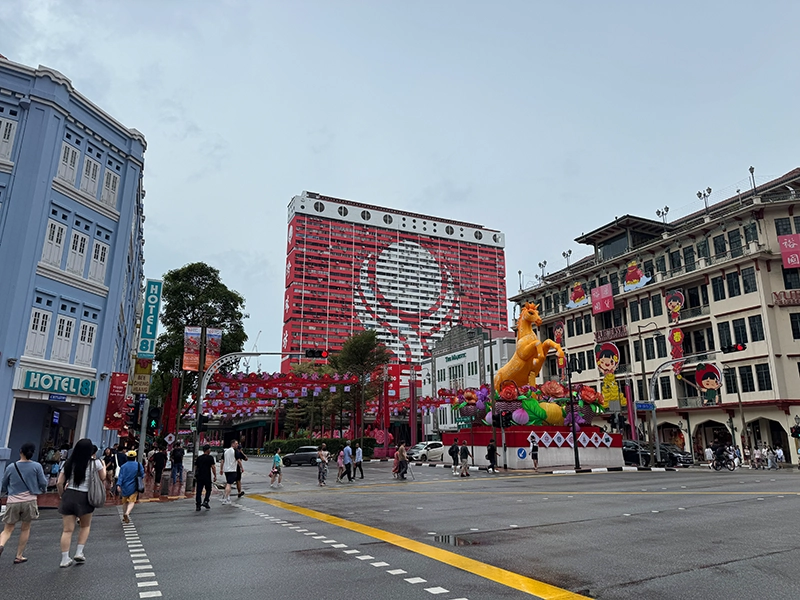
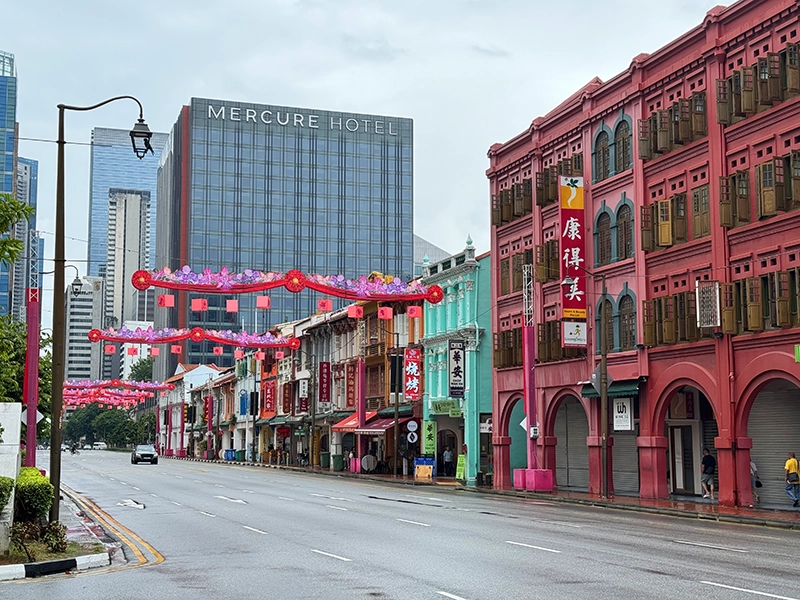
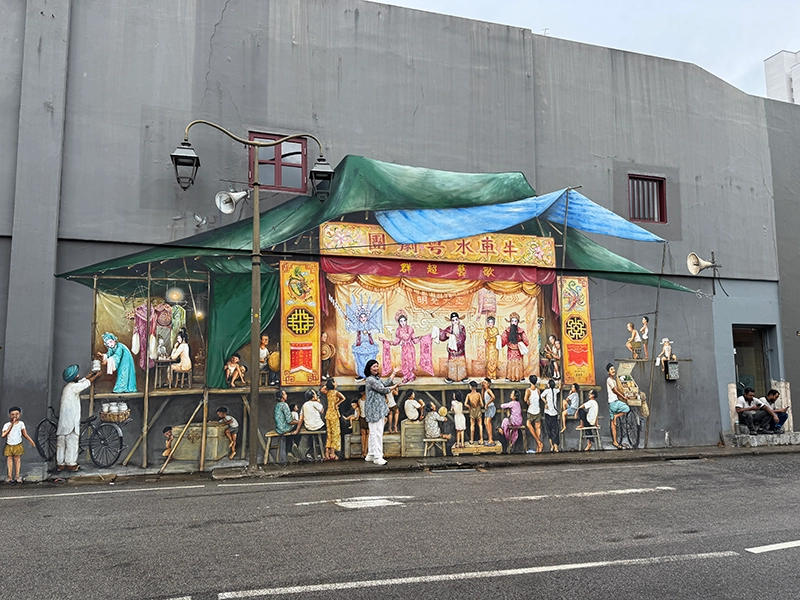
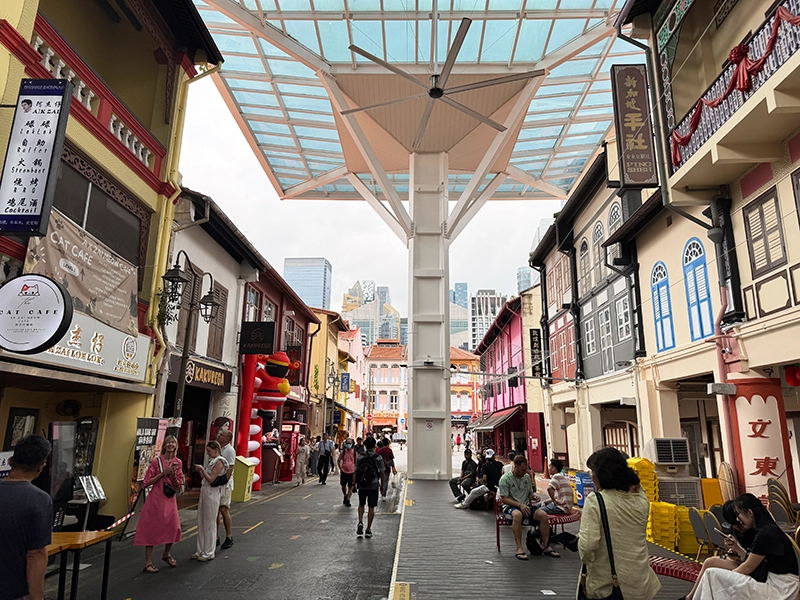
Explore Chinatown – Singapore
Since it was Lunar New Year while in was there a lot of the city was decorated for the celebrations, especially Chinatown. Moreover Chinese Architecture is mostly found in Chinatown, though influences of it can be found all over the city. Chinatown is also the biggest of the “ethnic enclaves” with five official districts. At the Chinatown Heritage Centre you can get an overview over the history and changes of the area and you can book a free 2.5 hour walking tour or a 6 hour audio-guided walking tour.
You can also visit Kong Chow Wui Koon 冈州会馆 for free, the headquarters of the Cantonese clan association. During Japanese occupation it was repurposed as a clinic and survived destruction. Today it’s a community museum.
The Maxwell Food Centre is also located in Chinatown, but more on that later in the post about “Where to eat during your first time in Singapore“.
The two most famous temples of Chinatown
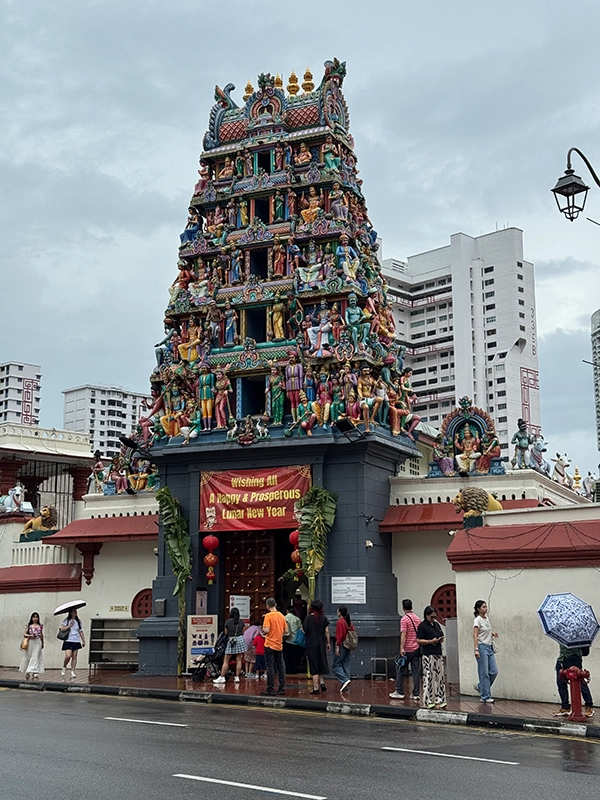
Located inside Chinatown are also two temples which are free to visit. First the Sri Mariamman Temple, the city’s oldest Hindu temple. You’ll recognize it immediately when you walk past by it’s tower, ornamented with dozens of colourful mini sculptures of Hindu deities. If you want to go the inside you’ll have to leave your shoes on a shelf by the road.
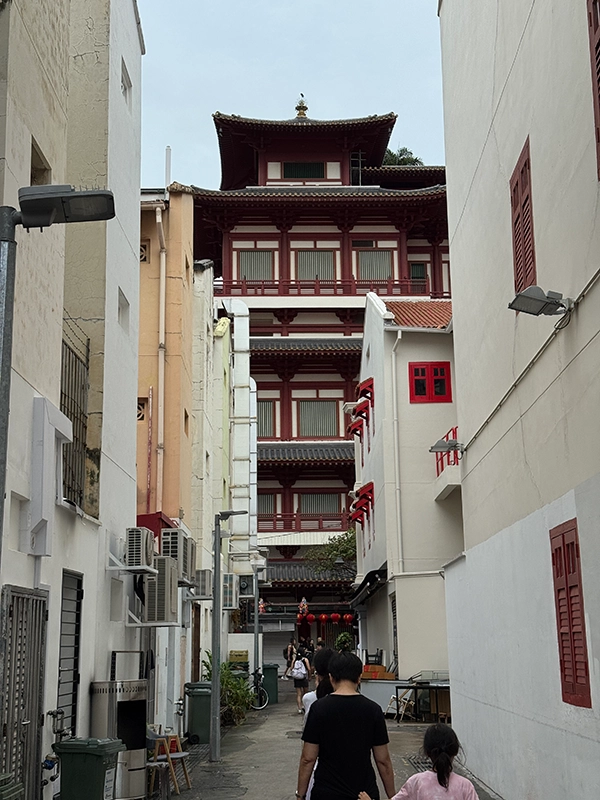
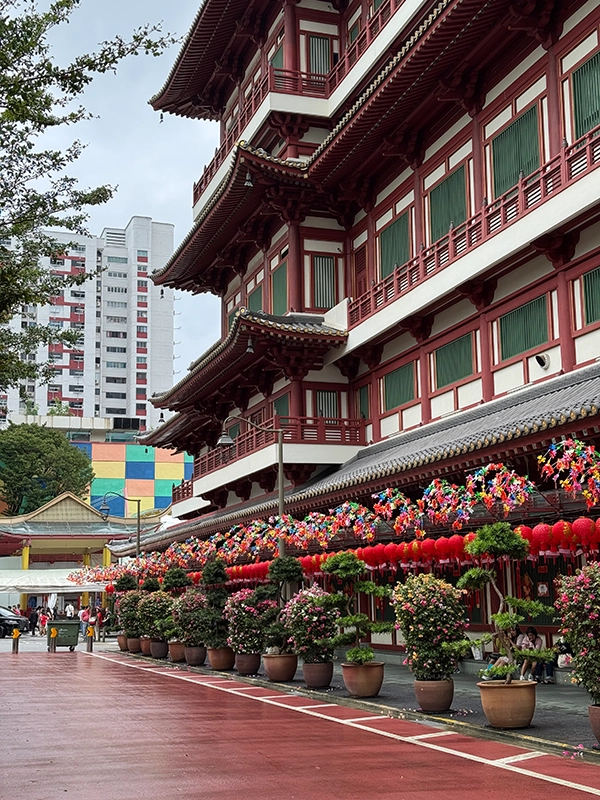
The Buddha Tooth Relic Temple is not far away. Its a Buddhist temple in the style of the Chinese Tang dynasty. Inside you can marvel at the ornate rooms, catch a glimpse of religious relics and, if it is open, get a breath of fresh air in it’s rooftop garden.
Visit Joo Chiat / Katong District
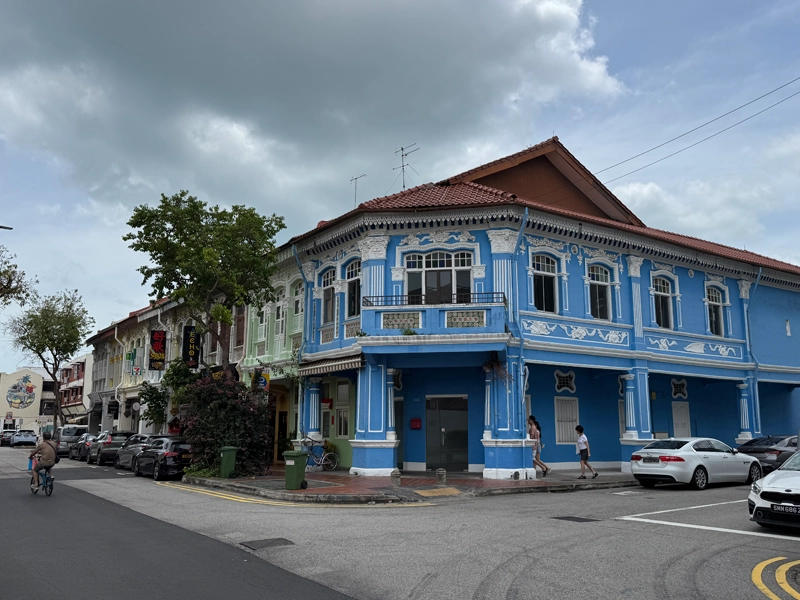
The Katong District is where you’ll find mainly Peranakan architecture. This culture, which developed from marriages between people from two different cultural backgrounds, has its own unique style of architecture. It’s combined of Chinese, Malay, and European elements, colourful and ornate. Along some roads, it feels as if you’re walking through the Singapore of days long past (if you can ignore the cars).
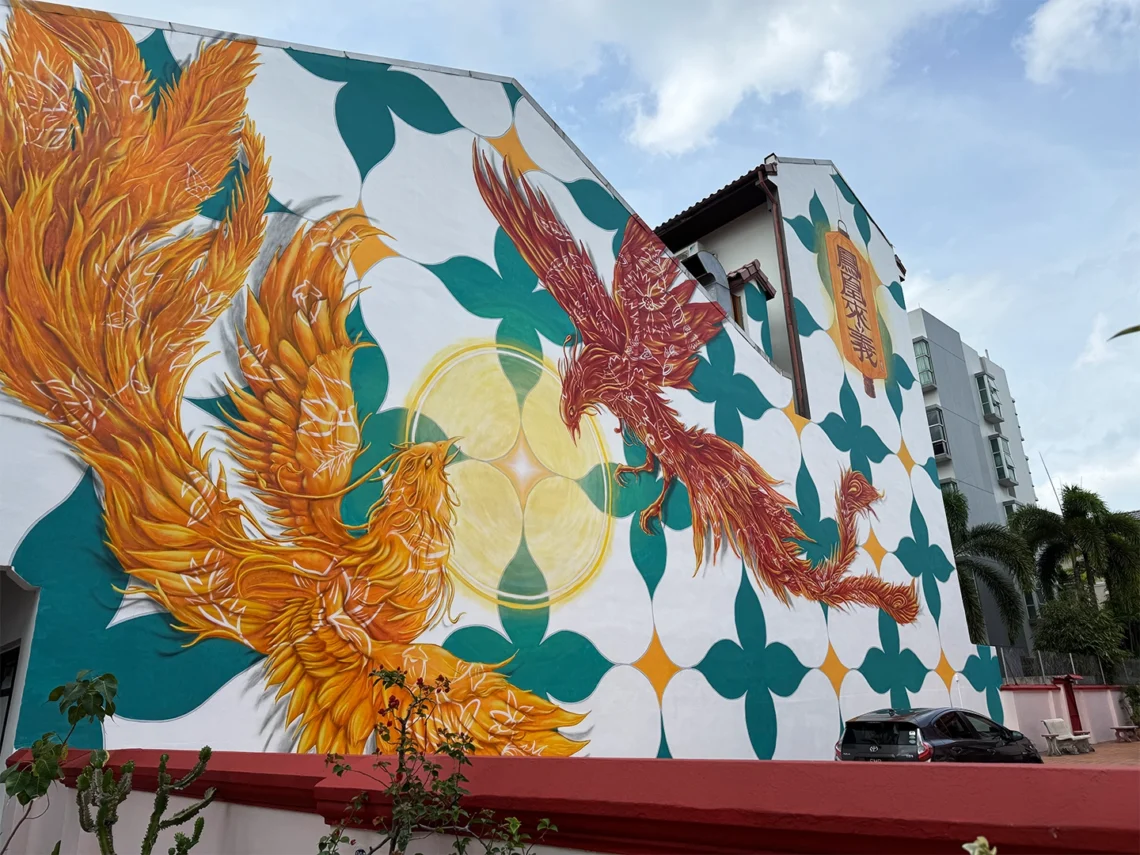
Some houses along Joo Chiat Road also feature beautiful paintings, like the Phoenix Mural in the featured image of this post.
When you’re already there, there is much more to discover about the Peranakan culture: Exploring Peranakan Culture in Singapore, though not for free.

Discover Muscat Street & Arab Street in Kampong Glam
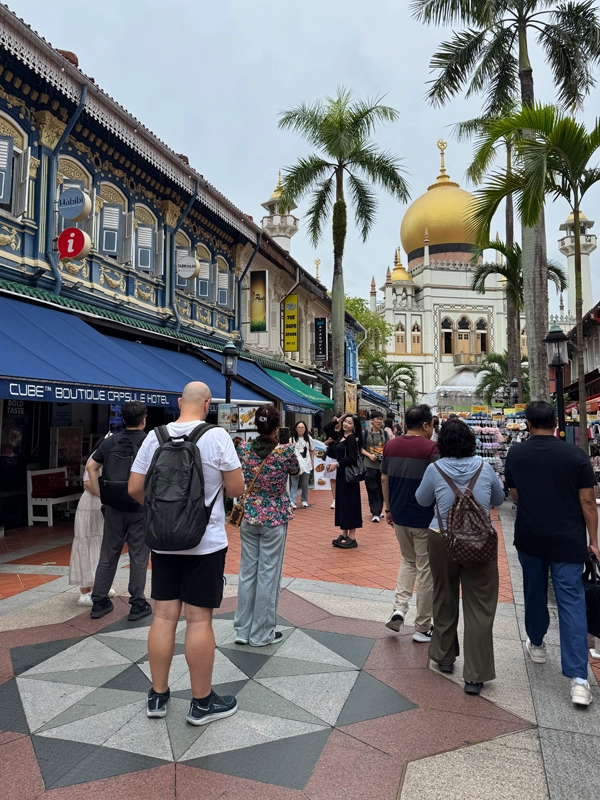
Kampong Glam holds a special significance for the Malay and Muslim communities in Singapore. It was also once a hub for Arab traders during Republic of Singapore’s early history. In the 1822 plan for the development of Singapore the west of the district was allotted to the Arab community, while the area to the east was set aside for the Bugis: Immigrants from Java, Banjar, Bawean, Sumatra and Malaya.
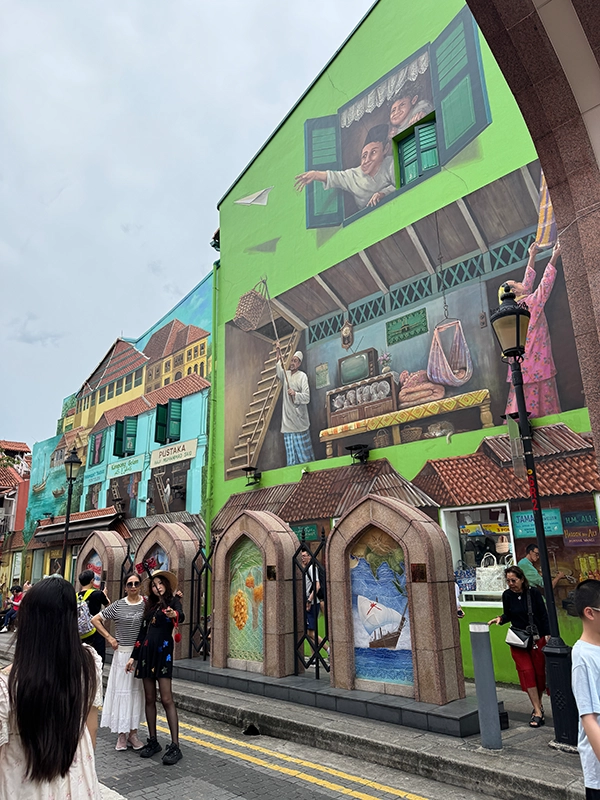
Muscat street was named in 1908 after the capital of Oman. Murals decorate some walls along the street, showing glimpses of the maritime and trade connection between Republic of Singapore and Sultanate of Oman, which have continued to this day. Muscat Street was named in 1908 after the capital of Oman and redeveloped in 2012 together by the Republic of Singapore and the Sultanate of Oman.
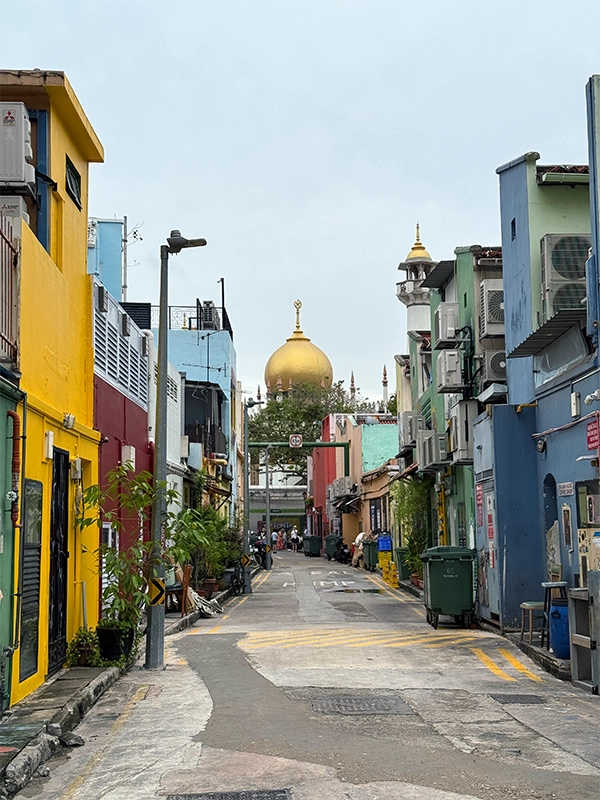
Arab Street has even more colourful murals and Haji Lane to the south is another street with many vibrant colours, small shops and restaurants. Between these two famous streets the Sultan Mosque with its golden dome rises high above the low-lying houses.
Find modern / futuristic Architecture in Singapore
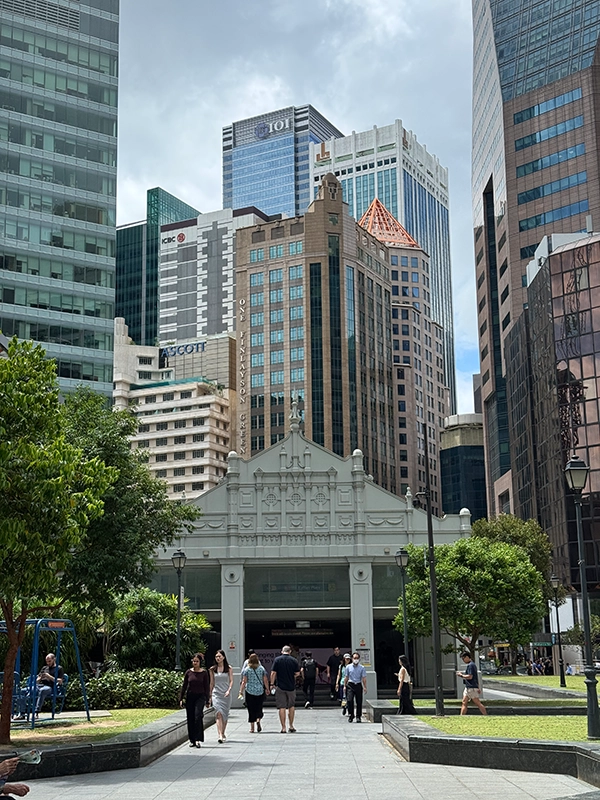
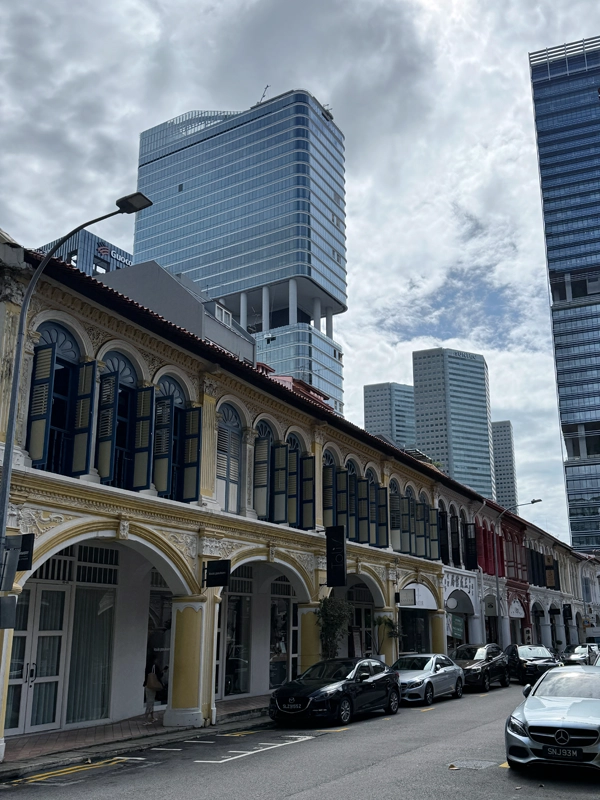
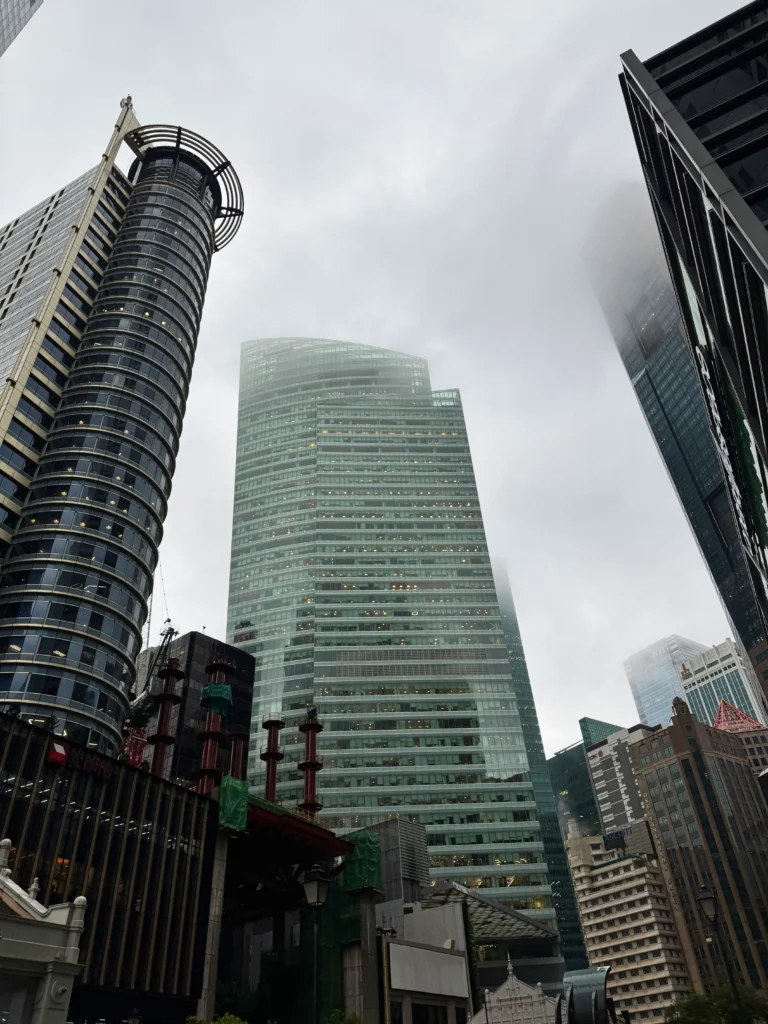
At least in Germany Singapore is known for being very advanced in many ways, one of those being their modern and even futuristic architecture. Walking through the city there are many types of Architecture, old houses, very old houses and modern “glass and steel” skyscrapers. Some in interesting shapes, others adorned with greenery. In some areas the modern and somewhat futuristic architecture blends seamlessly older buildings and nature, creating a very unique atmosphere. In others it almost feels like the older houses are about to be crushed as skyscrapers begin dominating the cityscape and encroach further and further into their space.
Some examples of the modern and futuristic architecture you can visit are the Jewel of Changi Airport, Marina Bay Sands and the Red Dot Design Museum.
Merlion Park & other viewpoints
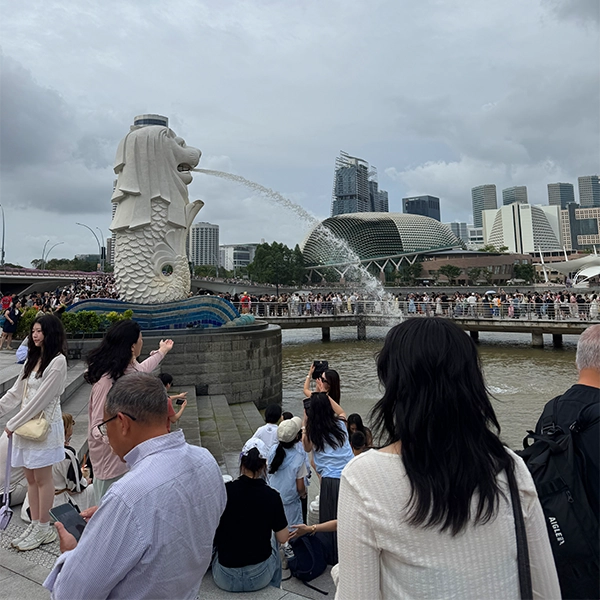
You can try not to get overstimulated when visiting the Merlion for free.
Don’t get me wrong, it’s an iconic spot, but during the day it’s way too packed. I took exactly one picture and it is featured here (on the right on the laptop and below on mobile).
I got there and turned right back around. And even without the people I can’t really see why one would stay longer to be honest.
If you go here for the view of the Marina Bay Sands and the ArtScience Museum, stop at the Clifford Pier Jetty instead. It’s a pier next to The Fullerton Bay Hotel Singapore.
Or book a spot at the Sky Garden 15 days in advance. It’s a rooftop garden on the 51st level of the CapitaSpring building which is only a 2 minutes walk from Raffles Place MRT.
Marina Bay Sands and Gardens by the Bay
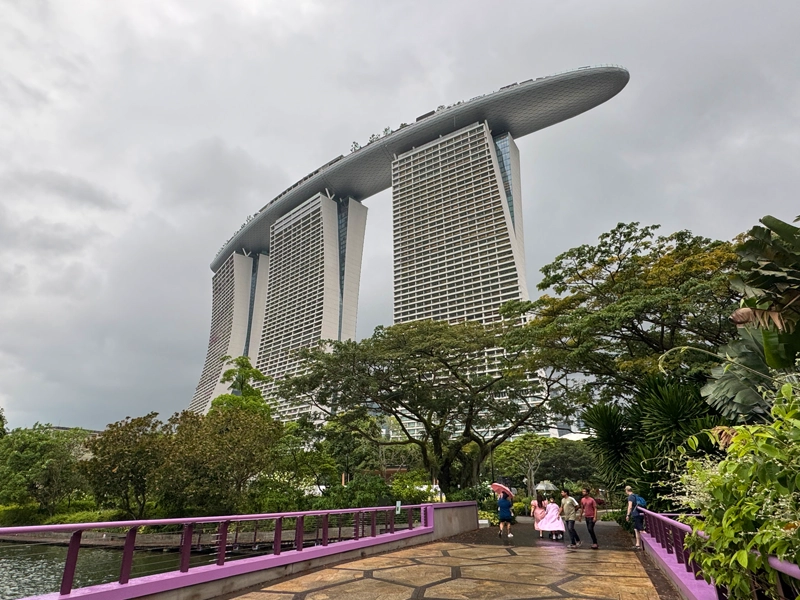
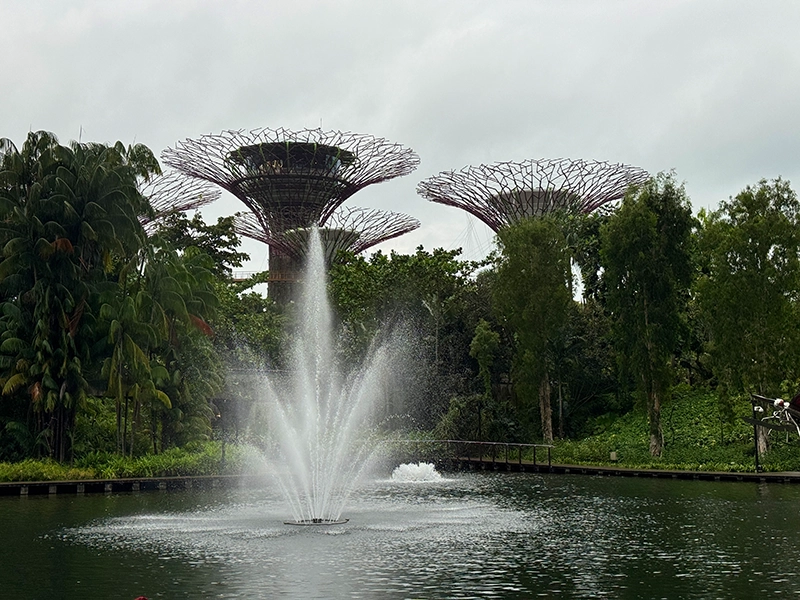
tWhile you can visit park on Nibong Island for free, the Gardens by the Bay with the artificial trees require an admission ticket. And if you want to walk through the trees on the OCBC Skyway you have to buy another ticket. Similarly the greenhouses Cloud Forest and Flower Dome also need separate tickets. You can see the artificial trees and big greenhouses from the paths through the park sometimes and they are lit up at night.
Inside (and on the middle roof) of the Marina Bay Sands you can also see the Rain Oculus, an artificial indoor waterfall. It looks like a miniature version of the rain vortex inside the Jewel.
Honorable mention: T5 in the making
Terminal 3 of the Changi Airport is the current location of the exhibition “T5 in the making” about the construction of the new terminal five of the airport. I wrote about my visit in my post “24 hours at Changi Airport Singapore“. It is only an honorable mention, since it is set to close its doors on the 31st of March 2026
20 free things to do in Singapore – List
- Building Highlights tour of the former Supreme Court and former City Hall
- Visit the Central Fire Station
- and learn about firefighting in the Civil Defence Heritage Gallery
- Visit the Old Hill Street Police Station
- Step into living history at Raffles Hotel
- Explore Chinatown with a free walking tour
- While you’re there stop at Chinatown Heritage Centre
- and Kong Chow Wui Koon 冈州会馆,
- Sri Mariamman Temple
- and finally at the Buddha Tooth Relic Temple
- Visit Joo Chiat / Katong District
- Discover Kampong Glam (Muscat Street),
- Arab Street with the Sultan Mosque
- and colourful Haji Lane.
- Marvel at futuristic Architecture in Singapore
- Merlion Park
- View of the Marina Bay Sands from Clifford Pier Jetty
- Book a spot at Sky Garden for a 365 view over Singapore
- See the Rain Oculus at Marina Bay Sands
- Take a stroll through the park on Nibong Island
Do you know any more places to visit or things to do and see in Singapore for free?
Please share in the comments, so more people can experience this country without breaking the bank.